Wine and Food in Harmony – Plan Your Menu from Appetizer to Dessert


Wine and Food in Harmony – Plan Your Menu from Appetizer to Dessert
Pairing wine and food is about more than just picking a good bottle—it’s about creating balance so that both the dish and the wine enhance each other. The right match can make flavors sing, while the wrong one can dull even the finest wine. Here’s a guide to planning a harmonious menu from appetizer to dessert, where wine and food work together from the first bite to the last sip.
Start Light – Appetizers and Aperitifs
A great dinner begins with something that awakens the appetite. Appetizers are often light and fresh, so the wine should be too.
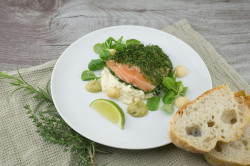
- Seafood and shellfish pair beautifully with crisp, mineral-driven white wines like Sauvignon Blanc, Albariño, or a dry Riesling. They cleanse the palate and highlight the ocean’s briny notes.
- Vegetable-based dishes such as asparagus, artichokes, or salads call for wines with bright acidity—try a Grüner Veltliner or an unoaked Chardonnay.
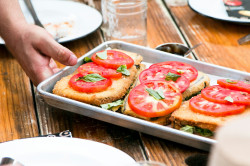
- Charcuterie and small bites go well with a dry rosé or a sparkling wine like Prosecco or a domestic brut from California, adding a festive and refreshing touch.
As an aperitif before the meal, a sparkling wine is always a good choice—it wakes up the taste buds and sets the tone for the evening.
The Main Course – Wines with Body and Character
When the main course arrives, the wine should have more depth and complexity. The goal is to match the intensity of the dish with the structure of the wine.
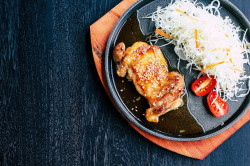
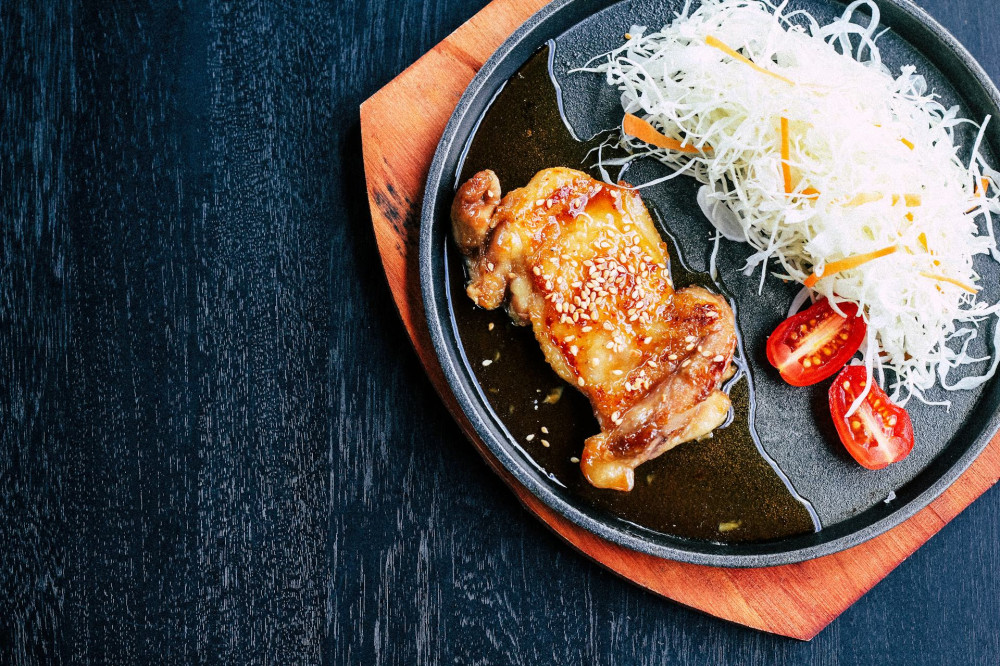
- Poultry and pork pair nicely with medium-bodied wines. A silky Pinot Noir or an oak-aged Chardonnay can create an elegant balance.
- Beef and lamb call for bolder wines. Cabernet Sauvignon, Syrah, or a classic Bordeaux-style blend from Napa or Washington State have the structure and depth to complement rich, meaty flavors.
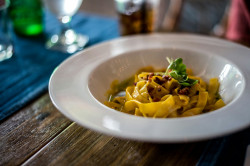
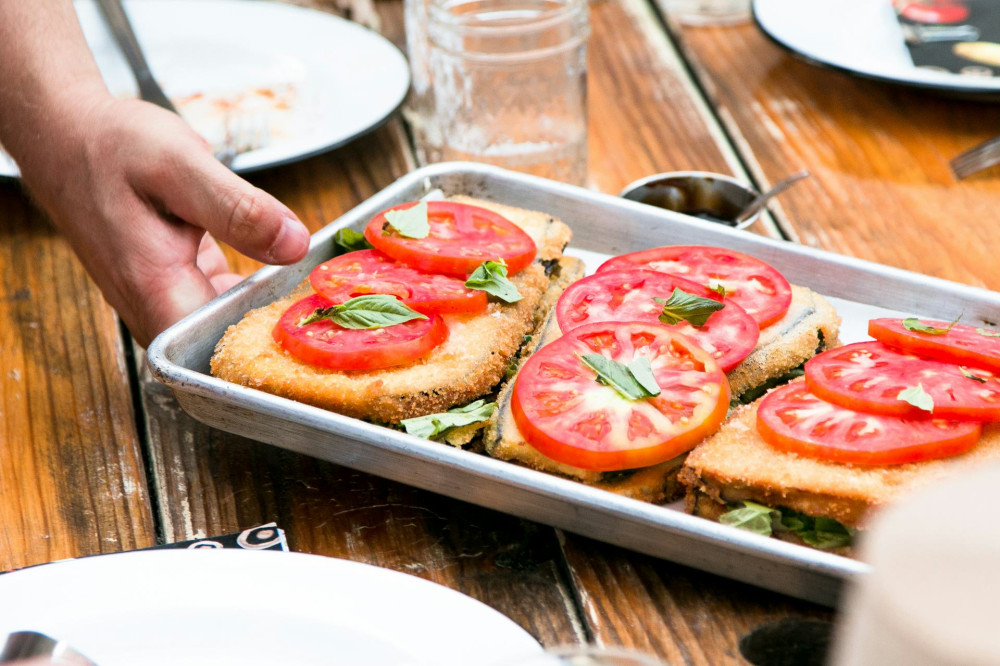
- Vegetarian entrées featuring mushrooms, lentils, or roasted root vegetables come alive with a spicy red like Grenache or a full-bodied rosé.
A helpful rule of thumb: light dishes with light wines, dark dishes with dark wines. It’s not absolute, but it’s a reliable starting point.
Læs også:
Cheese – The Bridge Between Main Course and Dessert
A cheese course can be a highlight of the evening, but it’s also one of the trickiest to pair. The key is finding a wine that can stand up to the richness and saltiness of the cheese.
- Soft, creamy cheeses like brie or camembert pair well with a light red or a full-bodied white with a touch of oak.
- Hard cheeses such as aged cheddar, manchego, or parmesan shine with mature reds—especially those with softened tannins.
- Blue cheeses need sweetness to balance their salt—try a Port, a late-harvest Riesling, or a sweet Muscat.
If you’re serving a variety of cheeses, choose a versatile wine that sits in the middle, like an off-dry white that offers both freshness and a hint of sweetness.
Dessert – Sweetness and Finesse
For dessert, the wine should be at least as sweet as the dish; otherwise, it will taste sour. This is where you can play with contrasts and textures.
- Fruit-based desserts such as tarts or sorbets pair beautifully with light dessert wines like Moscato d’Asti or a late-harvest white.
- Chocolate and rich desserts need more intensity—think Port, Banyuls, or a sweet red with berry and cocoa notes.
- Cheesecake or creamy desserts benefit from a dessert wine with bright acidity to cut through the richness.
End the meal with a small espresso or a final sip of dessert wine—it’s a graceful way to close the evening.
Think of the Whole Experience – Not Just Each Course
When planning your menu, consider the progression: start light and fresh, move toward richer and deeper flavors, and finish sweet and smooth. This applies to both the food and the wine.
A good guideline is to stay within one region or style throughout the meal—for example, a California evening with Sonoma Chardonnay, Paso Robles Syrah, and a late-harvest Zinfandel for dessert. It creates a natural flow in the flavor experience.
And remember: the best wine pairing is the one that suits your guests and your own taste. Rules are helpful, but the most important thing is that the combinations feel harmonious and are enjoyed in good company.
Læs også: