Spices and Herbs: The Key to Depth and Character in Cooking

Spices and Herbs: The Key to Depth and Character in Cooking
Spices and herbs are the voice of food – the small but powerful elements that can turn a simple dish into something memorable. They add aroma, color, and complexity, transforming everyday ingredients into something extraordinary. But how do you use them effectively, and what’s the real difference between the two? Here’s a guide to using spices and herbs to bring depth and character to your cooking.
Spices and Herbs – What’s the Difference?
Although the words are often used interchangeably, they refer to different parts of plants. Herbs are the green, leafy parts – like basil, parsley, thyme, and cilantro. They’re usually used fresh and added toward the end of cooking to preserve their bright flavor and color.
Spices, on the other hand, come from seeds, bark, roots, or fruits – like cinnamon, cumin, pepper, and cardamom. They have a more concentrated flavor and can handle higher heat, making them perfect for roasting, baking, and simmering.
Understanding this distinction is the first step toward using them properly – and unlocking the best flavor in every dish.
Læs også:
Building Flavor with Spices
Spices work like layers in a dish. They can bring warmth, sweetness, bitterness, or freshness – and it’s the combination that creates complexity.
- Start with a base: Onions, garlic, and sometimes ginger form the foundation of many dishes.
- Add dried spices early: Toasting them in oil or butter releases their essential oils and deepens their flavor.
- Balance the taste: Use acid (like lemon juice or vinegar) and salt to highlight the nuances of your spices.
- Experiment with blends: Try curry powder, Cajun seasoning, or your own custom mix – it adds personality and variety.
A great tip is to toast whole spices briefly in a dry pan before grinding them. This intensifies their aroma and gives a rounder, richer flavor.
Fresh Herbs – The Finishing Touch
Herbs bring brightness and life to food. They can be used as flavor boosters, garnishes, or even as main ingredients in sauces like pesto, chimichurri, or herb-infused oils.
- Add fresh herbs at the end: They lose flavor quickly when exposed to heat, so sprinkle them on just before serving.
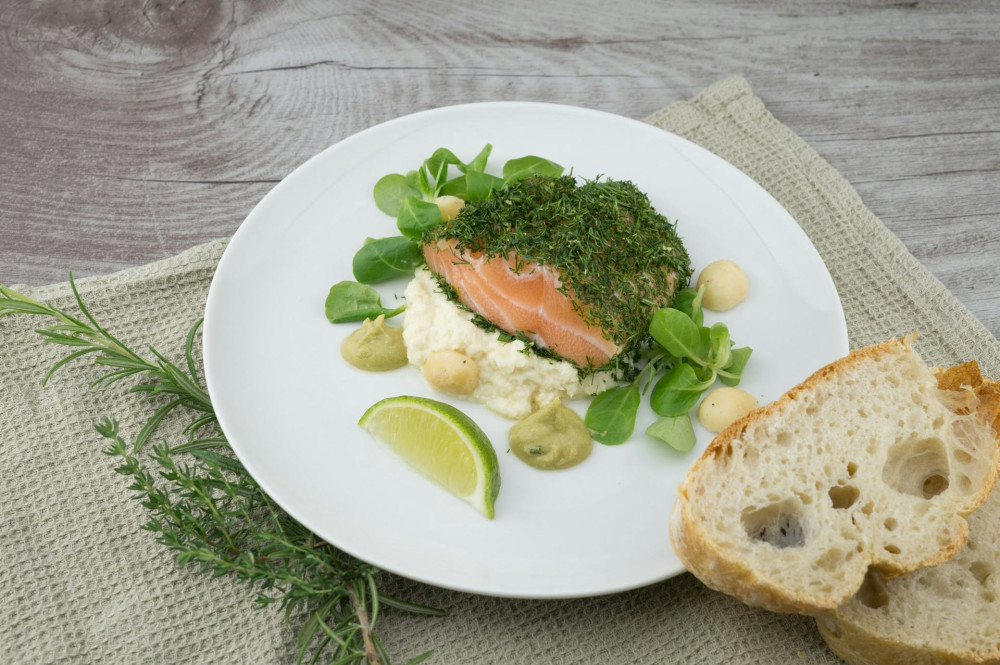
- Pair herbs thoughtfully: Parsley and dill complement fish, while rosemary and thyme enhance meats and root vegetables.
- Use the stems: Many herbs – like cilantro and parsley – have flavorful stems that can be added to soups or stocks.
- Freeze the extras: Chop herbs and freeze them in ice cube trays with a little olive oil – you’ll always have flavor ready to go.
Herbs can also balance rich or spicy dishes. A handful of mint in a lamb dish or some basil in a tomato sauce can make all the difference.
Learning from Global Traditions
Every cuisine around the world has its own signature spices and herbs, shaped by climate, culture, and local ingredients.
- Indian cuisine uses complex blends of cumin, coriander, turmeric, and cardamom.
- Middle Eastern cooking features mint, sumac, and za’atar for freshness and tang.
- Asian cuisines combine ginger, garlic, chili, and cilantro to balance sweet, sour, salty, and spicy flavors.
- American regional cooking draws from many influences – think of smoky paprika in Southern barbecue, oregano in Tex-Mex dishes, or sage in Thanksgiving stuffing.
Exploring other culinary traditions is a great way to expand your flavor palette and discover new favorites.
Storage and Shelf Life
To get the most out of your spices and herbs, proper storage is key.
- Dried spices should be kept in airtight containers, away from light and heat. They lose potency over time, so replace them every year or two.
- Fresh herbs last longer when stored like flowers – in a glass of water in the fridge – or wrapped in a damp paper towel.
- Whole spices retain their flavor longer than ground ones, so buy them whole and grind as needed.
A well-organized spice rack makes it easier to experiment – and ensures you always have the right ingredients on hand.
Taste, Experiment, and Find Your Style
There are no strict rules for using spices and herbs. It’s all about tasting, adjusting, and finding your own balance. Start small, then build up as you learn how different combinations work together. Over time, you’ll develop your own signature style in the kitchen.
Spices and herbs aren’t just accessories – they’re the soul of your cooking. They tell stories of places, traditions, and personal creativity. Once you start exploring them, you’ll discover a world of flavor that makes everyday cooking more exciting, expressive, and delicious.
Læs også: