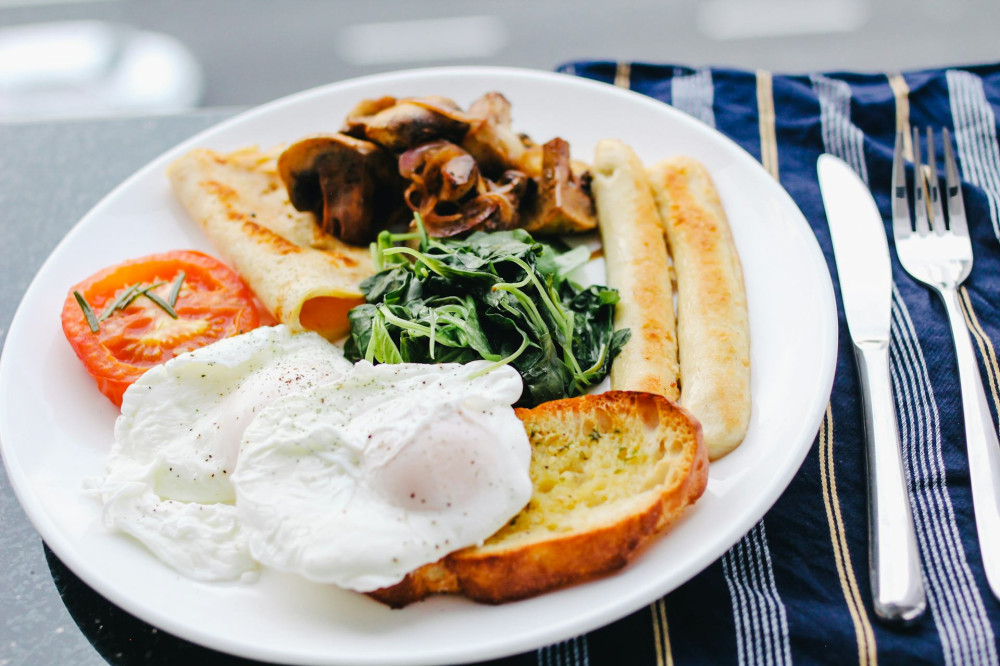
Food Photography and Communication: Adapt Your Composition to Your Medium

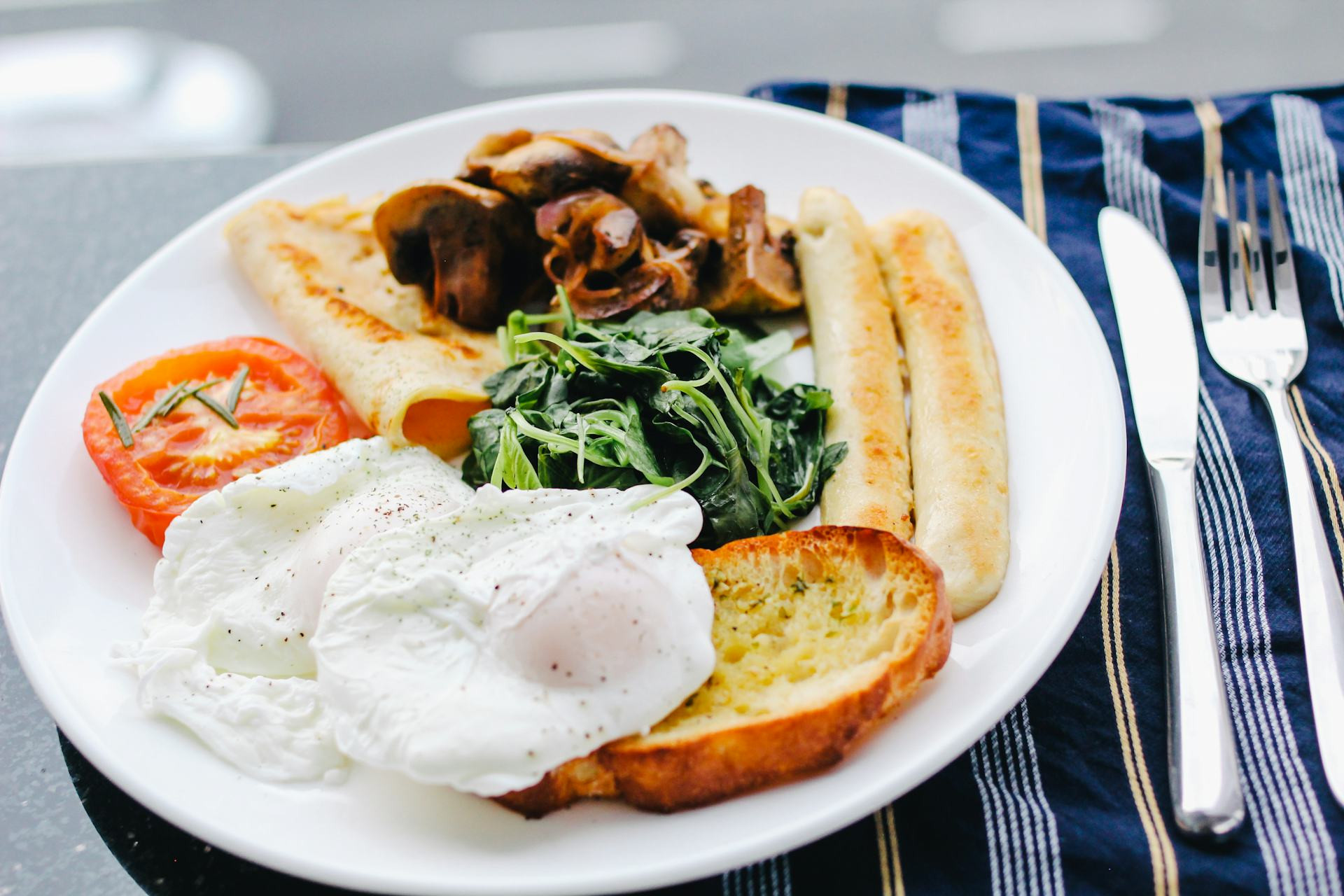
Capture the essence of your dish by tailoring your photos to every platform
Culinary
Culinary
3 min
Discover how to make your food photography stand out by adapting composition, lighting, and format to each medium. Whether you’re shooting for print, web, or social media, learn how to tell a visual story that connects with your audience.
Everly Baker
Everly
Baker

Food Photography and Communication: Adapt Your Composition to Your Medium

Capture the essence of your dish by tailoring your photos to every platform
Culinary
Culinary
3 min
Discover how to make your food photography stand out by adapting composition, lighting, and format to each medium. Whether you’re shooting for print, web, or social media, learn how to tell a visual story that connects with your audience.
Everly Baker
Everly
Baker

A great food photo isn’t just about delicious food—it’s about telling a story that fits the platform where it’s shared. A shot that looks stunning in a printed cookbook might feel cluttered on a smartphone screen, while a minimalist Instagram image could seem empty on a large website banner. To make your food photography truly effective, you need to adapt your composition, lighting, and format to your medium. Here’s how to do it.

Know Your Platform—and Your Audience

Before you pick up your camera, think about where your photo will appear. A picture for social media needs to grab attention instantly, while an image for a recipe site should be both informative and inspiring.

  • Instagram and TikTok: These platforms thrive on mood and aesthetics. Use natural light, simple backgrounds, and emphasize color and texture. Square or vertical formats work best for mobile viewing.
  • Food blogs and recipe websites: Here, clarity is key. Show ingredients, preparation steps, and the finished dish. Keep the composition clean and easy to follow so readers can connect the image to the recipe.
  • Print magazines and cookbooks: You have more space to tell a story. Props like rustic plates, folded napkins, or a dusting of flour can add depth and atmosphere.

When you understand the purpose of the medium and the expectations of your audience, you can better decide how to tell your food story visually.

Composition: Create Balance and Focus

Composition guides the viewer’s eye through your image. No matter the platform, balance and focus are essential.

  • Rule of thirds: Place your main subject slightly off-center to create a dynamic feel.
  • Leading lines: Use utensils, napkins, or shadows to draw the eye toward the dish.
  • Negative space: Give your image breathing room—especially important on small screens, where too many elements can feel overwhelming.
  • Color harmony: Consider how colors interact. A green salad on a green plate may lose contrast, while a neutral background can make the colors pop.

Experiment with angles and distance. Try shooting from above, at eye level, or at a slight angle, and choose the perspective that best conveys the mood you want.

Lighting: The Secret Ingredient

Lighting can make or break a food photo. It highlights textures, sets the mood, and brings colors to life.

  • Natural light is often your best friend. Place your dish near a window and use a white card or reflector to soften shadows.
  • Avoid harsh direct sunlight, which can create strong contrasts and overexposed areas.
  • Artificial light can work well for evening shoots—just choose a warm tone to keep the food looking appetizing and natural.

Think about how lighting fits your medium. Soft, natural light works beautifully on social media, while more dramatic lighting can add depth and sophistication in print.

Format and Cropping

A photo that looks perfect on a laptop might lose its impact on a phone. Always test how your image appears across different formats.

  • Square (1:1) – ideal for Instagram posts.
  • Vertical (4:5 or 9:16) – great for stories, reels, and mobile-first platforms.
  • Horizontal (16:9) – best for websites and articles where the image serves as a header or banner.

Crop your image so the main subject remains visible in every format. Avoid placing key details at the edges—they might get cut off on certain screens.

Tell a Story with Your Image

The strongest food photos tell a story. It might be the warmth of a family dinner, the freshness of summer produce, or the elegance of a fine dessert.

Think about what emotion you want to evoke: comfort, freshness, indulgence, or simplicity? Use props, colors, and lighting to support that feeling. A steaming bowl of soup on a wooden table conveys something very different from a glossy dessert on a white plate with precise reflections.

Adjust and Test—Every Time

Even small differences in screen size, brightness, and color calibration can change how a photo looks. Test your images on multiple devices before publishing. Adjust contrast, cropping, and brightness so your photo looks its best wherever it appears.

A great food photo isn’t just about technical skill—it’s about communication. When you adapt your composition to your medium, you ensure that both the food and the story behind it shine through.

Spices and Herbs: The Key to Depth and Character in Cooking
Discover how spices and herbs can transform everyday meals into flavorful culinary experiences
Culinary
Culinary
Cooking
Spices
Herbs
Flavor
Culinary Tips
2 min
Unlock the secrets of using spices and herbs to add depth, aroma, and personality to your cooking. Learn the difference between them, explore global flavor traditions, and find inspiration to experiment and create dishes that truly stand out.
Dante Stevens
Dante
Stevens
Create Your Own Signature Dish by Playing with Flavors and Techniques
Discover how to turn your creativity and taste into a dish that’s uniquely yours
Culinary
Culinary
Cooking
Food Creativity
Culinary Techniques
Home Cooking
Flavor Pairing
2 min
Learn how to craft your own signature dish by experimenting with flavors, textures, and techniques. Whether you’re an experienced cook or an enthusiastic beginner, this guide will help you express your personality through food and create something truly original.
Journey Reed
Journey
Reed
Cooking Together Without Stress – How to Make It Cozy and Easy
Turn shared cooking into a relaxed and joyful experience for everyone
Culinary
Culinary
Cooking Together
Home Cooking
Entertaining
Food and Friends
Stress-Free Living
7 min
Discover how to make cooking together a cozy, stress-free activity. With a few simple tips for planning, dividing tasks, and setting the right mood, you can transform group cooking into a fun and memorable time with family and friends.
Olivia Hernandez
Olivia
Hernandez
Food Photography and Communication: Adapt Your Composition to Your Medium
Capture the essence of your dish by tailoring your photos to every platform
Culinary
Culinary
Food Photography
Visual Storytelling
Social Media
Composition
Creative Communication
3 min
Discover how to make your food photography stand out by adapting composition, lighting, and format to each medium. Whether you’re shooting for print, web, or social media, learn how to tell a visual story that connects with your audience.
Everly Baker
Everly
Baker
Wine and Food in Harmony – Plan Your Menu from Appetizer to Dessert
Discover how to create perfect pairings that elevate every course
Culinary
Culinary
Wine Pairing
Food and Wine
Dining
Gourmet
Menu Planning
7 min
Learn the art of matching wine and food from the first appetizer to the final dessert. This guide helps you plan a balanced menu where each wine complements the flavors on your plate, turning every meal into a memorable dining experience.
Jonah King
Jonah
King
Listen to Your Body: Early Signs of Imbalance You Should Know
Discover how to recognize your body’s subtle signals before they turn into bigger health concerns
Habits
Habits
Health
Wellness
Self-Care
Mindfulness
Body Awareness
4 min
Your body often whispers before it shouts. Learn to identify early signs of imbalance—such as changes in energy, sleep, digestion, or mood—and take simple steps to restore harmony and well-being.
Dante Stevens
Dante
Stevens
Small Steps Toward a More Sustainable Everyday Life – Without It Feeling Like a Hassle
Simple ways to live more sustainably—without giving up comfort or convenience
Habits
Habits
Sustainability
Eco Living
Green Lifestyle
Everyday Tips
Well-being
3 min
Discover how small, mindful choices in your daily routine can make a big difference for both the planet and your well-being. Learn practical tips for creating a greener lifestyle that feels natural, easy, and rewarding.
Journey Reed
Journey
Reed
Find nature’s rhythm and create balance in your life
Reconnect with the natural world and rediscover a calmer, more balanced way of living
Habits
Habits
Mindfulness
Nature
Wellbeing
Lifestyle
Stress Relief
5 min
In the rush of modern life, it’s easy to lose touch with the steady rhythm of nature. Learn how tuning in to the seasons, creating mindful outdoor rituals, and embracing nature’s pace can help you find harmony, reduce stress, and restore balance in your everyday life.
Olivia Hernandez
Olivia
Hernandez