Warming Up Through Life – Adjust for Age and Experience

Warming Up Through Life – Adjust for Age and Experience
Warming up is one of the most overlooked parts of any workout – yet it’s also one of the most important. It prepares your body for movement, increases blood flow to your muscles, and reduces the risk of injury. But the ideal warm-up doesn’t look the same for everyone. Your needs change with age, experience, and the type of activity you’re doing. Here’s how to adjust your warm-up as you move through life.
Why Warming Up Matters More Than You Think
A proper warm-up raises your body temperature and activates your nervous system. It makes your muscles more flexible, your joints more mobile, and your reactions sharper. A good warm-up isn’t just about getting your heart rate up – it’s about preparing your body for the specific movements ahead.
For younger or highly trained individuals, spending 10–15 minutes warming up might feel unnecessary, but that’s exactly when it matters most. For older adults or those newer to exercise, warming up is even more critical, as the body takes longer to get ready for activity.
In Your 20s: Quick Adaptation and Explosive Energy
In your twenties, your body responds quickly to movement. Muscles and joints are elastic, and recovery tends to be fast. That means your warm-up can be shorter, but it should still be purposeful.
- Focus: Activate major muscle groups and prepare for intensity.
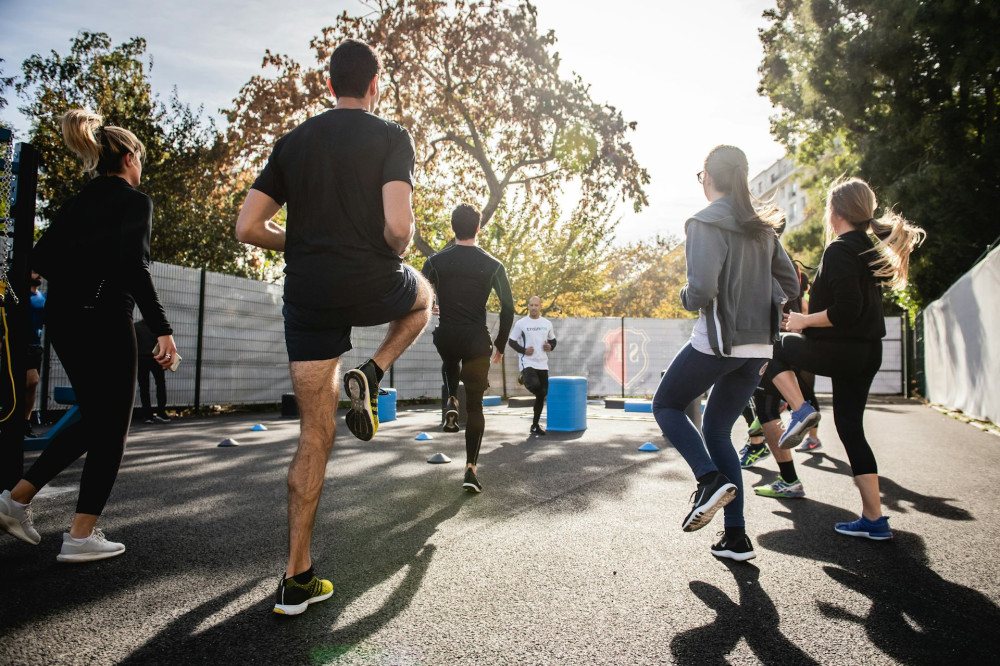
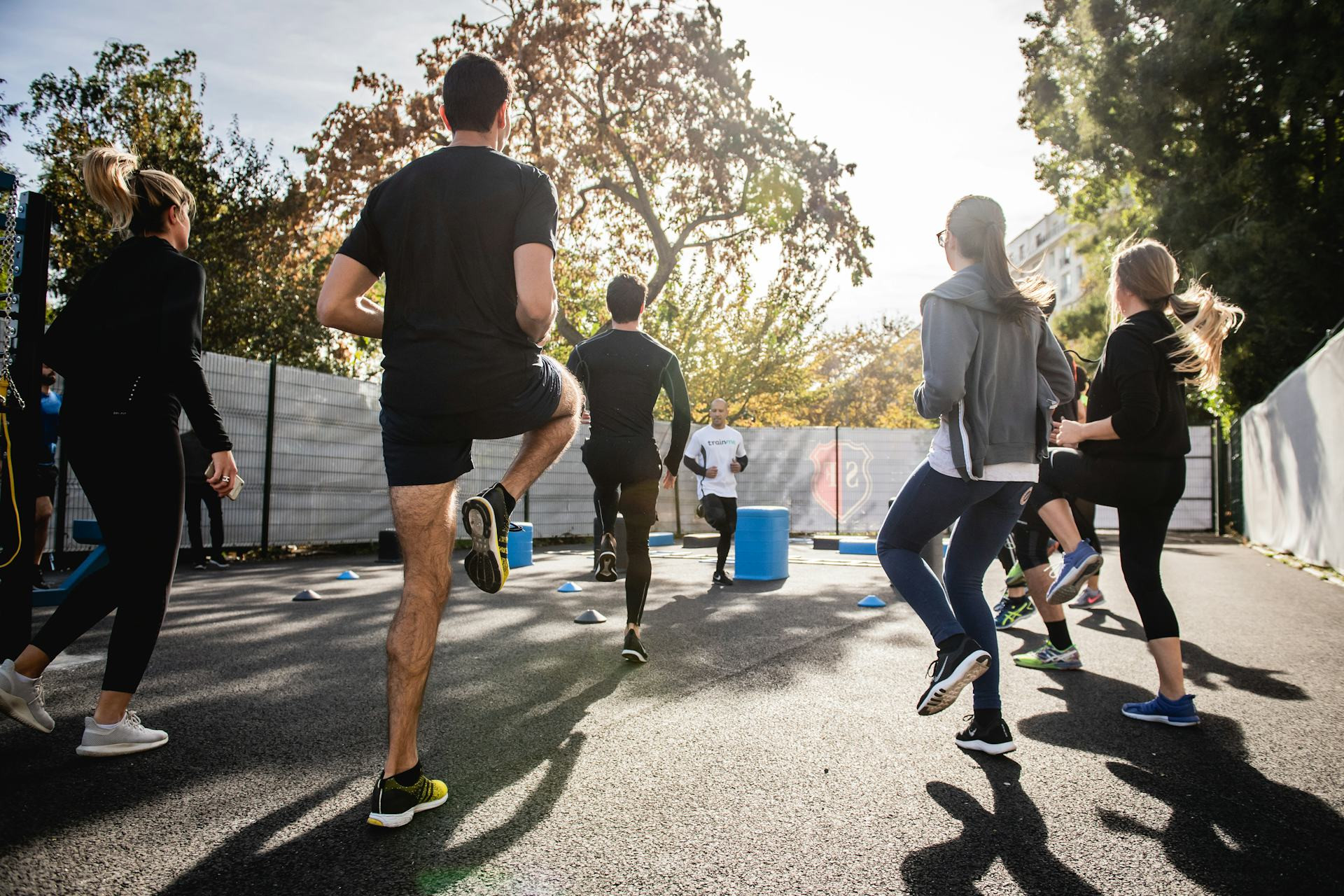
- Examples: 5–10 minutes of light jogging or cycling, followed by dynamic moves like leg swings, arm circles, high knees, and short sprints.
- Goal: Wake up your body and nervous system so you can perform at your best without overloading.
Even if you feel ready to go right away, don’t skip the warm-up – especially if you’re doing explosive sports like basketball, soccer, or heavy lifting.
In Your 30s and 40s: Structure and Injury Prevention
As you move into your thirties and forties, your body takes a bit longer to warm up, and small aches or tightness may start to appear. At this stage, warming up is as much about maintenance as it is about performance.
- Focus: Mobility, stability, and gradual intensity.
- Examples: Begin with 5–10 minutes of light cardio (bike, rowing machine, or treadmill), followed by mobility drills for hips, shoulders, and spine. Finish with movements that mimic your workout – such as light squats, lunges, or technique work.
- Goal: Prepare your body for load and reduce the risk of overuse injuries.
Use your warm-up as a mental reset, too – a few minutes to focus and leave daily stress behind before you train.
In Your 50s and 60s: Gentle Movement and Balance
With age, muscle mass and flexibility naturally decline, and joints can become stiffer. That’s why your warm-up should be longer, gentler, but still active.
- Focus: Joint mobility, balance, and gradual muscle activation.
- Examples: 10–15 minutes of easy walking or cycling, followed by gentle stretches and movements like arm circles, hip rotations, and light squats.
- Goal: Lubricate the joints, boost circulation, and prepare the body for movement without strain.
This is also a great time to include balance exercises – such as standing on one leg or controlled movements on an uneven surface – to maintain coordination and stability.
For Experienced Athletes: Warming Up as a Performance Tool
The more experienced you become, the more strategic your warm-up can be. It can be tailored precisely to your sport and your training goals.
- Focus: Specificity and mental readiness.
- Examples: A runner might include strides and form drills, while a weightlifter might perform lighter sets of the day’s exercises.
- Goal: Create a smooth transition from rest to performance and fine-tune movement patterns.
Seasoned athletes know that a good warm-up doesn’t just prevent injuries – it can significantly enhance performance.
Læs også:


For Beginners: Learning to Listen to Your Body
If you’re new to exercise, warming up is your best friend. It helps you connect with your body, find your rhythm, and avoid common beginner mistakes like starting too hard, too fast.
- Focus: Comfort, technique, and body awareness.
- Examples: 10 minutes of easy movement, followed by simple exercises like light squats, arm raises, and hip bends.
- Goal: Build good habits and give your body time to adapt.
A good rule of thumb: you should feel warm, not tired, when your warm-up ends.
Warming Up as a Lifelong Habit
No matter your age or experience, warming up is an investment in your body. It helps you move better, perform better, and stay injury-free – both now and in the long run. It’s not about doing it perfectly; it’s about doing it consistently.
So next time you’re tempted to skip your warm-up, remember: it’s not a waste of time – it’s your insurance for a long, active, and healthy life.
Læs også: