Take Care of Your Swim Gear – How to Make It Last Longer


Take Care of Your Swim Gear – How to Make It Last Longer
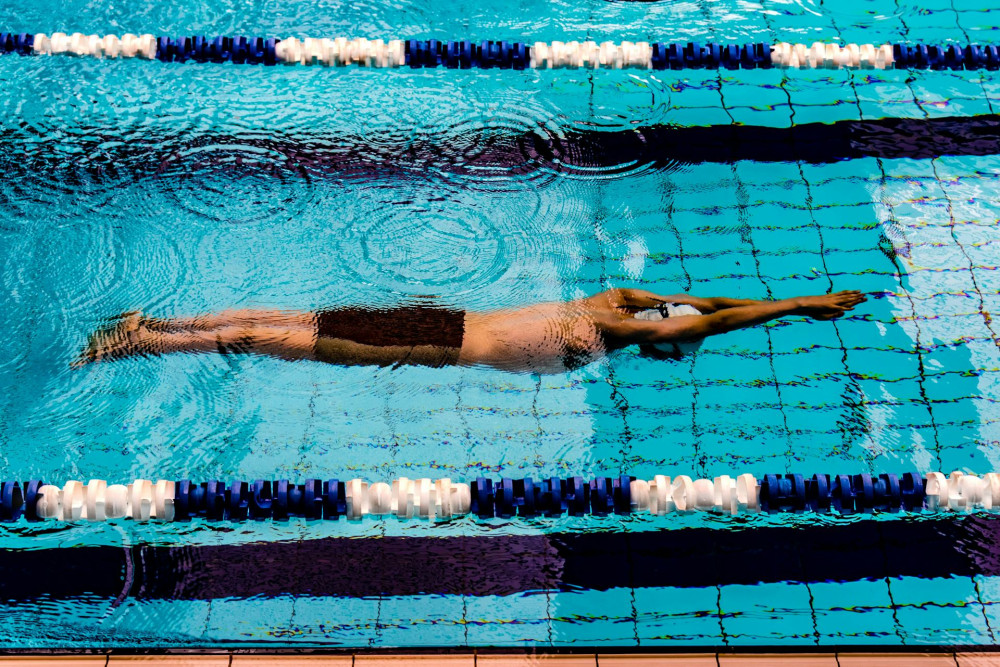
Whether you swim for fitness, train for competition, or just enjoy a dip at your local pool, good swim gear makes all the difference. But chlorine, sun, and saltwater can be tough on swimsuits, goggles, and fins. With a few simple habits, you can make your gear last longer—saving money and reducing waste. Here’s how to take the best care of your swim essentials.
Rinse Everything After Every Swim
The single most important thing you can do to extend the life of your swim gear is to rinse it thoroughly in clean, cool water after each use. Chlorine and saltwater break down materials like silicone, rubber, and spandex, causing them to lose elasticity and color over time.
- Swimsuits: Rinse right after swimming and lay flat to dry in the shade. Avoid wringing them out—this can damage the fibers.
- Goggles: Rinse gently without rubbing the inside of the lenses, as that can ruin the anti-fog coating.
- Fins, kickboards, and paddles: Rinse to remove chlorine, sand, or salt, and let them dry completely before storing.
A quick rinse might seem minor, but it makes a big difference in how long your gear lasts.
Keep It Away from Heat and Sunlight
Heat is one of the biggest enemies of swim gear. Elastic materials like Lycra and silicone can lose their shape quickly when exposed to high temperatures.
Never leave your gear in a hot car, on a heater, or in direct sunlight. Instead, let it dry in the shade at room temperature. This is especially important for swimsuits and goggles—heat can warp straps and lenses.
Læs også:

Wash Gently and Skip the Washing Machine
It’s tempting to toss your swimsuit in the washer, but that’s a fast way to ruin it. Machine washing and harsh detergents can wear down the fabric and strip away chlorine-resistant coatings.
Instead, hand wash your swimsuit with a mild soap or a small amount of gentle shampoo, then rinse thoroughly. Never use fabric softener—it can break down the elastic fibers. Goggles and nose clips only need a rinse in clean water and a gentle wipe with a soft cloth.
Store It the Right Way
Once your gear is dry, store it somewhere cool and well-ventilated. A mesh bag or a breathable gear tote is ideal, especially if you’re going back and forth between home and the pool.
Don’t toss your goggles loose in your bag—they’ll get scratched. Use a protective case or a small fabric pouch. The same goes for nose clips and earplugs; keeping them in one place prevents them from getting lost.
Know When to Replace
Even with great care, swim gear doesn’t last forever. Elastic materials eventually lose their stretch, and lenses can become cloudy. If your swimsuit starts to feel thin or see-through, or your goggles no longer seal properly, it’s time for a replacement.
As a general rule, goggles last about 6–12 months with regular use, while swimsuits can last a season or two depending on how often you swim. Replacing worn-out gear in time helps you stay comfortable and perform your best in the water.
Bonus Tips for Pool Swimmers
- Wear a swim cap: It protects your hair from chlorine and keeps stray hairs out of your goggles and gear.
- Rinse off before you swim: A quick shower removes sweat and oils that react with chlorine and wear down fabrics.
- Rotate your gear: If you swim several times a week, having two sets of suits and goggles lets each set dry completely between uses.
Small Habits, Big Impact
Taking care of your swim gear isn’t just about saving money—it’s also about reducing waste and making your swimming routine more sustainable. The longer your gear lasts, the fewer resources go into producing new items. With a few mindful habits, you can keep your equipment in great shape and enjoy every swim to the fullest.
Læs også: