Balanced Training Guide: Performance and Enjoyment Hand in Hand


Balanced Training Guide: Performance and Enjoyment Hand in Hand
In a culture that often celebrates numbers, metrics, and constant improvement, it’s easy to forget why we started moving in the first place. For many, exercise began as a source of joy — the satisfaction of feeling strong, the calm that follows a good workout, the simple pleasure of being active. But when every session becomes a test of speed, distance, or calories burned, we risk losing that inner motivation. This article explores how to find balance — how to train for progress while keeping the enjoyment alive.
Training as Part of a Whole Life
Exercise shouldn’t exist in isolation from the rest of your life. It should fit naturally into your daily rhythm, adapting to busy schedules, changing energy levels, and life’s unpredictability. A balanced training approach recognizes that you’re not a machine — you’re a person who needs variety, recovery, and joy.
Finding balance means more than just planning workouts. It’s about listening to your body. Some days call for intensity; others call for rest or gentle movement. This flexibility helps create a sustainable routine that supports both performance and well-being.
Set Goals — But Choose Them Wisely
Goals can be powerful motivators, but they should make sense for you. Instead of chasing comparisons or social media trends, ask yourself: What do I want to achieve — and why?
- Process goals are just as valuable as outcome goals. They might focus on consistency, improving technique, or simply feeling more energized day to day.
- Realistic goals build motivation, while unrealistic ones often lead to frustration or burnout.
- Flexible goals allow for adjustments when life changes — and it always does.
When your goals align with your values, training becomes a source of energy rather than stress.
Læs også:



Variety and Recovery — The Keys to Progress
More isn’t always better. The body grows stronger during recovery, not just during effort. Without rest, you risk overtraining, injury, and loss of motivation. A balanced plan includes both challenging and easy days, along with time for sleep, good nutrition, and mental rest.
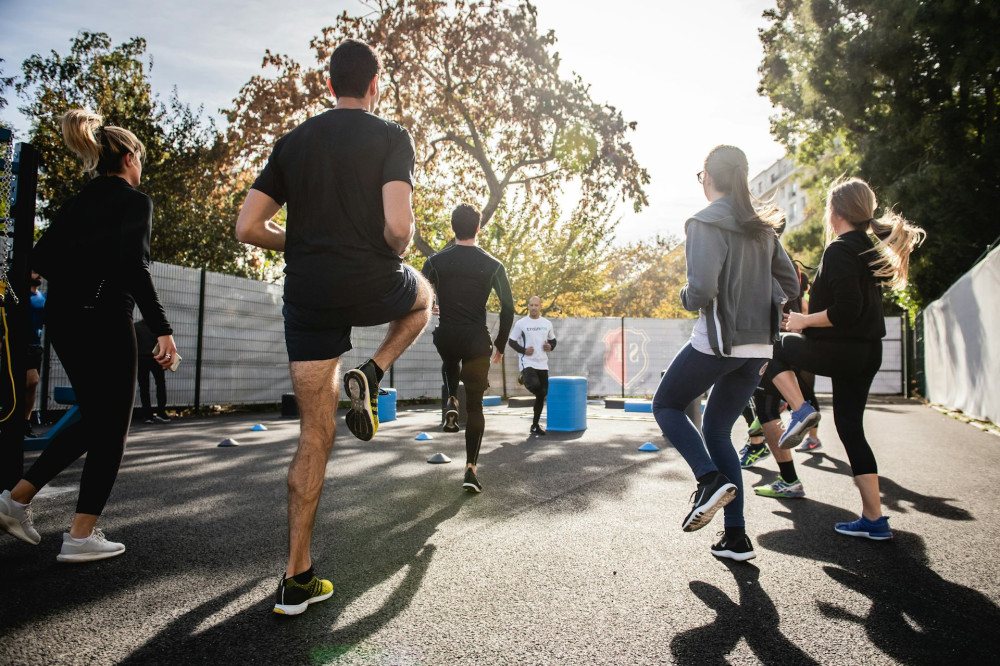
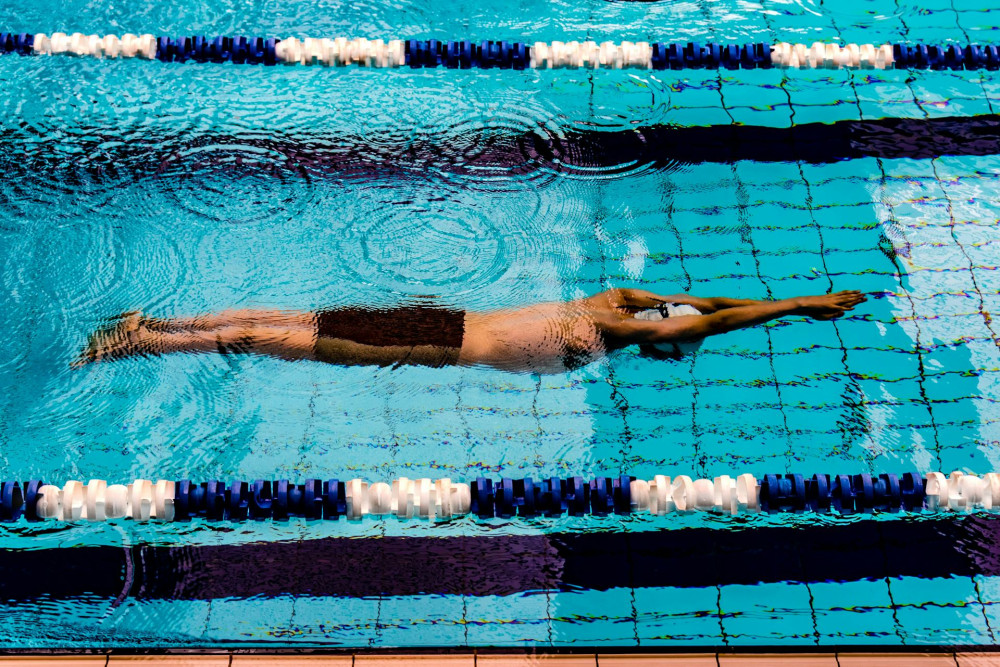
Variety is equally important. Mixing different types of exercise — strength training, cardio, mobility, and balance work — keeps your body challenged and your mind engaged. Try alternating between running, cycling, yoga, hiking, or swimming. The best workout is the one you enjoy enough to keep doing.
Listen to Your Body — and Your Mind
Your body communicates constantly. Fatigue, soreness, or lack of motivation can be signs that you need a break. Skipping a workout isn’t failure — it’s part of the process.
The mental side of training matters just as much. When exercise becomes tied to guilt or obligation, it loses its positive impact. Instead, view your workouts as a gift to yourself — a space to disconnect, move freely, and find calm through motion.
Enjoyment as a Driving Force
Performance and enjoyment aren’t opposites — they reinforce each other. When you enjoy what you do, you’re more consistent, and progress follows naturally. It might be the feeling of fresh air on a morning run, the rhythm of a bike ride, or the peace after a yoga session.
Cultivating enjoyment takes awareness. Notice how your body feels during and after exercise. Celebrate small victories, and allow yourself to feel proud — even when progress is slow. Joy is the foundation of lasting motivation.
A Balanced Approach Lasts Longest
Balanced training isn’t about finding the perfect plan; it’s about creating a rhythm that fits your life. It’s an ongoing process of adjusting, listening, and rediscovering the pleasure of movement — no matter your level.
When performance and enjoyment go hand in hand, training stops being a chore and becomes a lifelong source of energy, strength, and well-being.
Læs også: