Colors with Purpose: Choose Shades That Support the Room’s Function


Colors with Purpose: Choose Shades That Support the Room’s Function
Colors influence us more than we often realize. They can calm or energize, make a space feel larger or cozier, and even affect our mood and focus. When choosing colors for your home, it’s not just about style—it’s about function. Here’s how to use color intentionally to support each room’s purpose and atmosphere.
The Psychology of Color – More Than Just Preference
Every color carries emotional and psychological associations that shape how we experience a space.
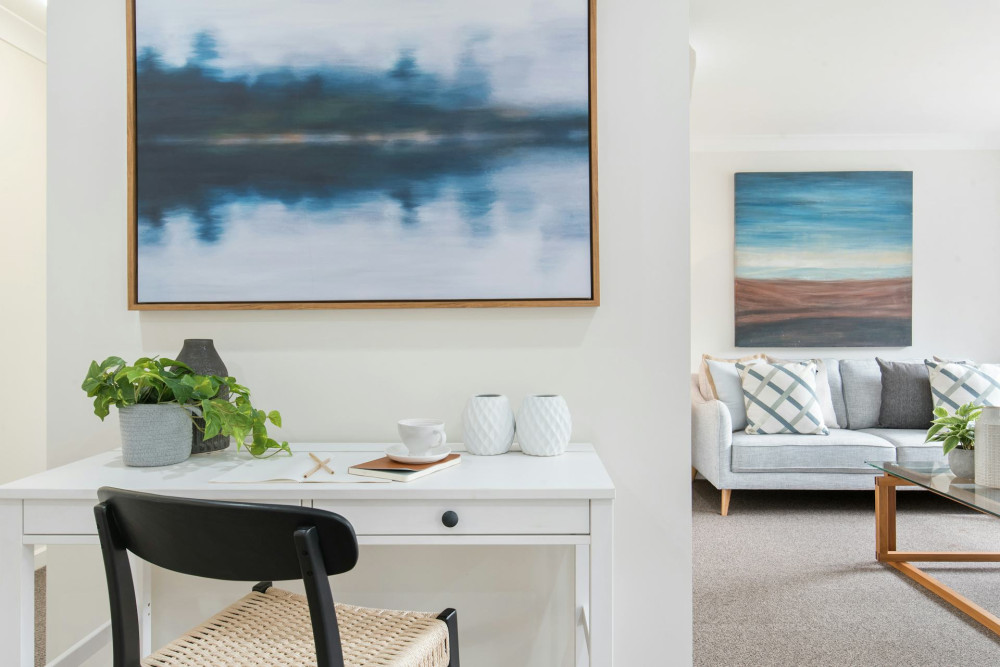
- Blue promotes calm, stability, and focus—ideal for bedrooms and home offices.
- Green brings balance and freshness, making it perfect for living rooms or kitchens where you want a natural, relaxed feel.
- Yellow radiates energy and optimism but can be overstimulating in large doses.
- Red adds warmth and intensity but works best as an accent color to avoid overwhelming the space.
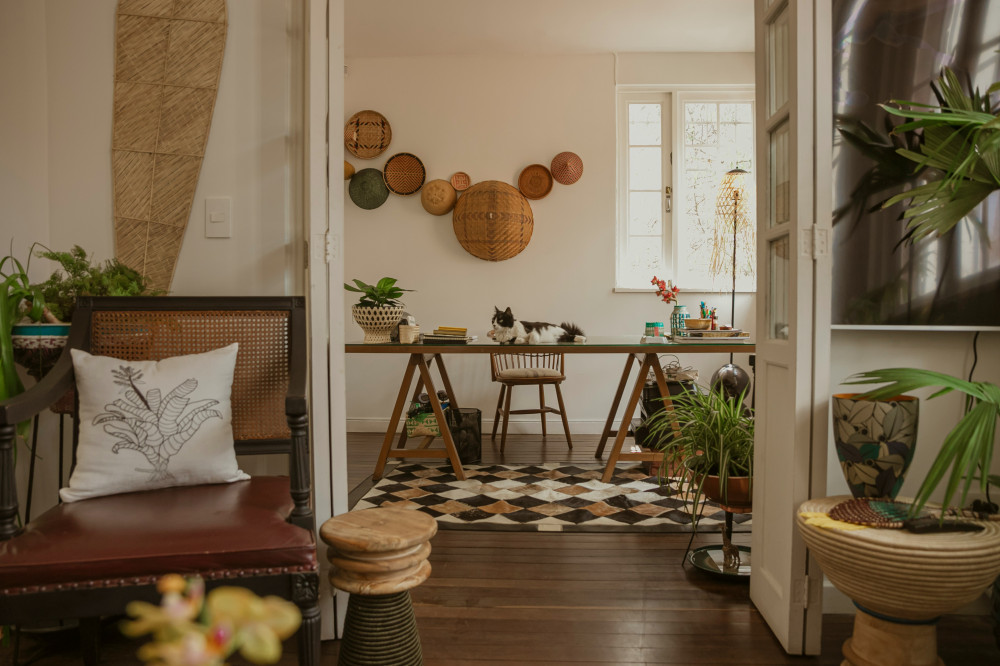
- Neutrals like gray, beige, and white create a sense of calm and flexibility, forming a base you can layer with textures and décor.
Understanding how colors affect mood helps you choose shades that align with each room’s function and the feeling you want to create.
Læs også:
Living Room: Balance Comfort and Energy
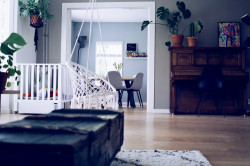
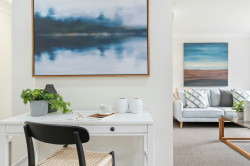
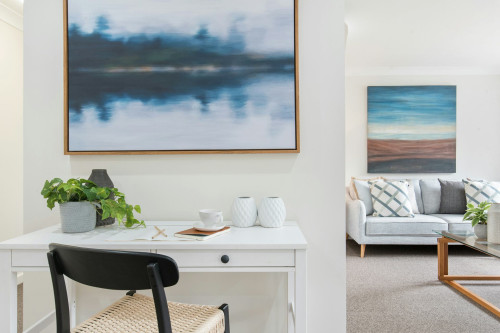
The living room is often the heart of the home—a place to unwind and connect. Aim for a balance between warmth and serenity. Earthy tones like sand, terracotta, or muted ochre create a welcoming atmosphere, while cooler hues like dusty blue or sage green bring a sense of calm. If your living room is small, light walls can make it feel more spacious, while darker shades add intimacy. Consider painting one accent wall to add depth and visual interest.
Kitchen: Colors That Spark Appetite and Energy
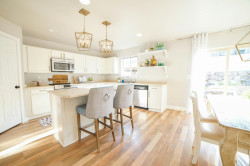
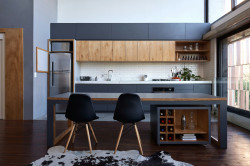
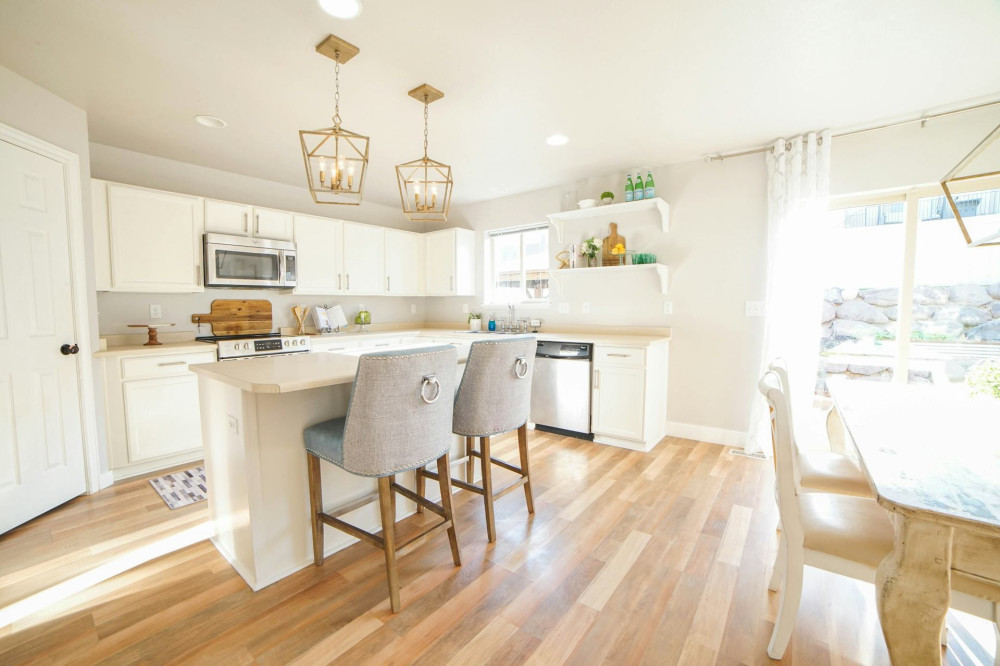
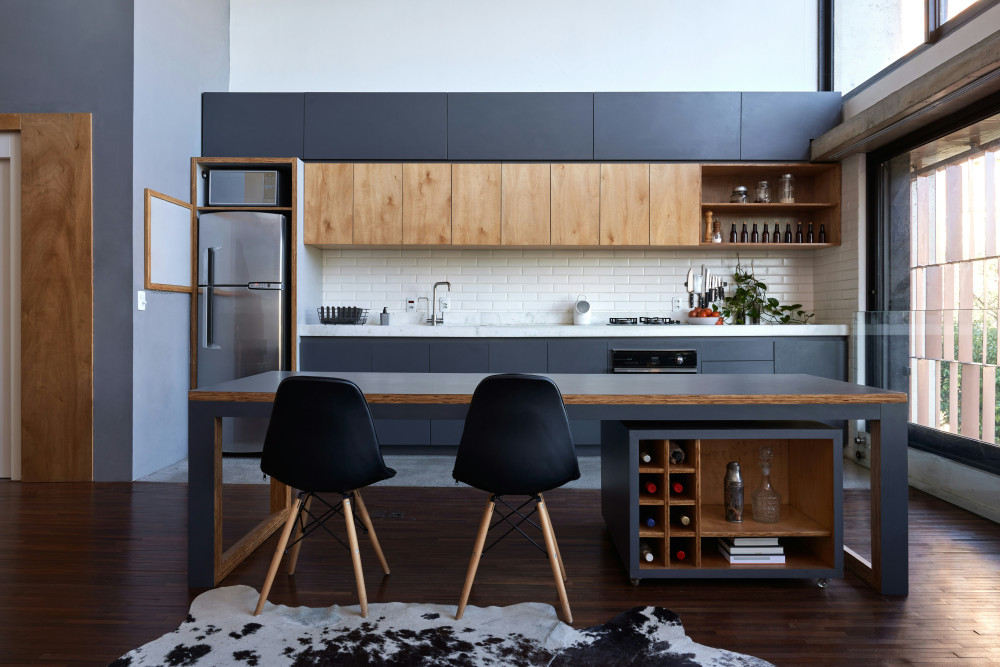
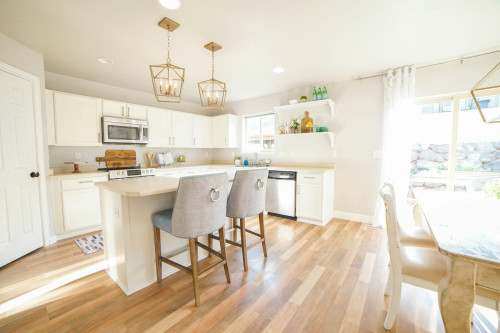
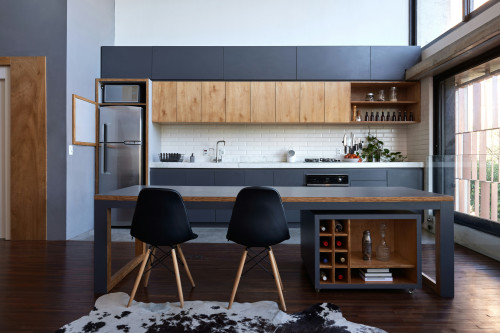
The kitchen is a lively, functional space where color can boost both energy and appetite. Warm tones such as red, orange, and yellow stimulate the senses and make the room feel vibrant. Green shades, on the other hand, emphasize freshness and health. For a more modern or minimalist look, keep walls and cabinets neutral and introduce color through accessories, plants, or textiles. This makes it easy to refresh the space with the seasons or your mood.
Bedroom: Calm and Restorative
A bedroom should feel restful and secure. Cool, muted colors—especially blues, grays, and soft lavenders—help create a peaceful retreat. Avoid high-contrast or overly saturated colors, which can be distracting. Matte finishes work well here, as they reflect less light and feel more soothing. To add warmth, layer in soft neutrals like cream, sand, or blush through bedding and fabrics.
Home Office: Focus and Clarity
A productive workspace benefits from colors that encourage concentration and mental clarity. Blue and green are classic choices for promoting calm focus. If you need a creative boost, add small pops of yellow or orange—perhaps in a chair, lamp, or piece of art. Keep the overall palette simple; too many bold colors can be distracting. A neutral base with a few accent tones often strikes the right balance.
Bathroom: Fresh and Clean
Bathrooms naturally lend themselves to colors that evoke cleanliness and freshness. Light and cool tones—white, pale gray, or aqua—create an airy, spa-like feel. To enhance that sense of relaxation, pair these shades with natural materials like wood, stone, or greenery. In smaller bathrooms, light walls and ceilings help open up the space, while larger ones can handle deeper hues for a more luxurious look.
Creating Flow: Think Beyond One Room
When planning your home’s color palette, consider how rooms connect. A cohesive color story throughout the house creates harmony and visual flow. You might choose one main hue and vary its intensity from room to room. Lighting also plays a major role—a color can look completely different in natural daylight versus artificial light. Always test paint samples on your walls before committing.
Thoughtful Color Choices Bring a Home to Life
Choosing colors isn’t just about following trends—it’s about designing a home that feels right for you. When your color choices support each room’s purpose, everyday life becomes more comfortable and inspiring. With a little intention, you can use color as a powerful tool to shape mood, function, and atmosphere—creating spaces that both work well and feel wonderful to live in.
Læs også: