A Kids’ Room Full of Imagination – Without Losing the Calm

A Kids’ Room Full of Imagination – Without Losing the Calm
A child’s room should be a place for play, learning, and rest. It’s where imagination takes flight, but also where your child needs to unwind and feel safe. Many parents find it challenging to design a space that sparks creativity without becoming chaotic—but with the right colors, furniture, and layout, it’s absolutely possible. Here’s how to create a kids’ room that balances fun and calm.
Create Zones for Play, Learning, and Rest
A well-functioning kids’ room works best when it’s divided into clear zones, each with its own purpose. This helps children understand when it’s time to play and when it’s time to relax.
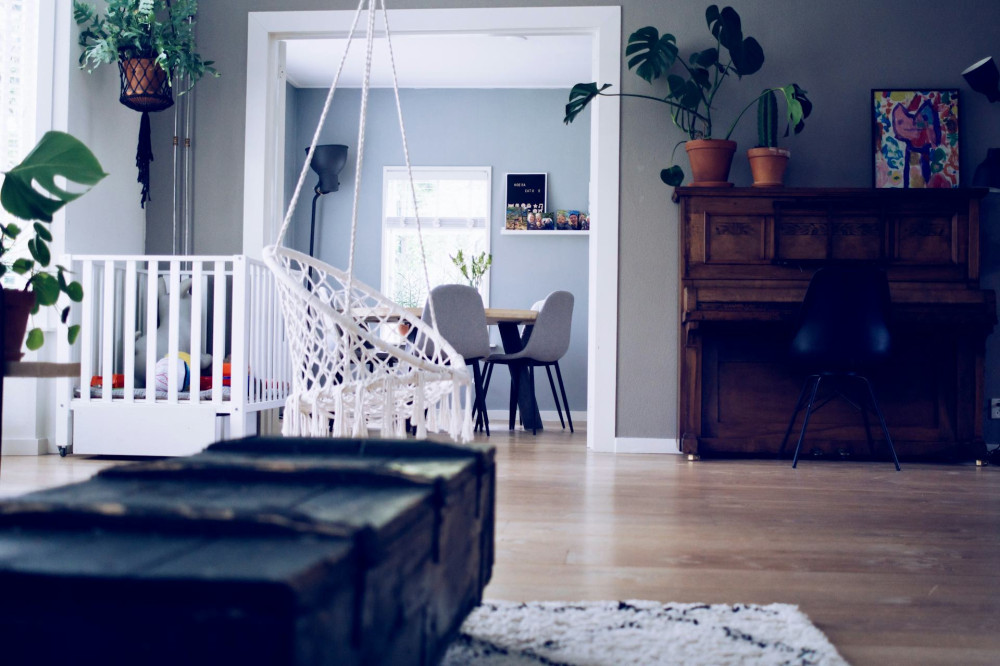
- Play zone: Dedicate a corner with open floor space for building blocks, dolls, or cars. Use soft rugs, bins, and low shelves so toys are easy to reach—and easy to put away.
- Learning zone: A small desk with good lighting is perfect for drawing, reading, or homework. Keep supplies organized in drawers or baskets.
- Sleep zone: Keep this area calm and clutter-free. Choose soft colors, cozy bedding, and warm, dimmable lighting to signal bedtime.
When each area has a clear purpose, kids naturally learn to transition between activity and rest.
Colors That Inspire Without Overwhelming
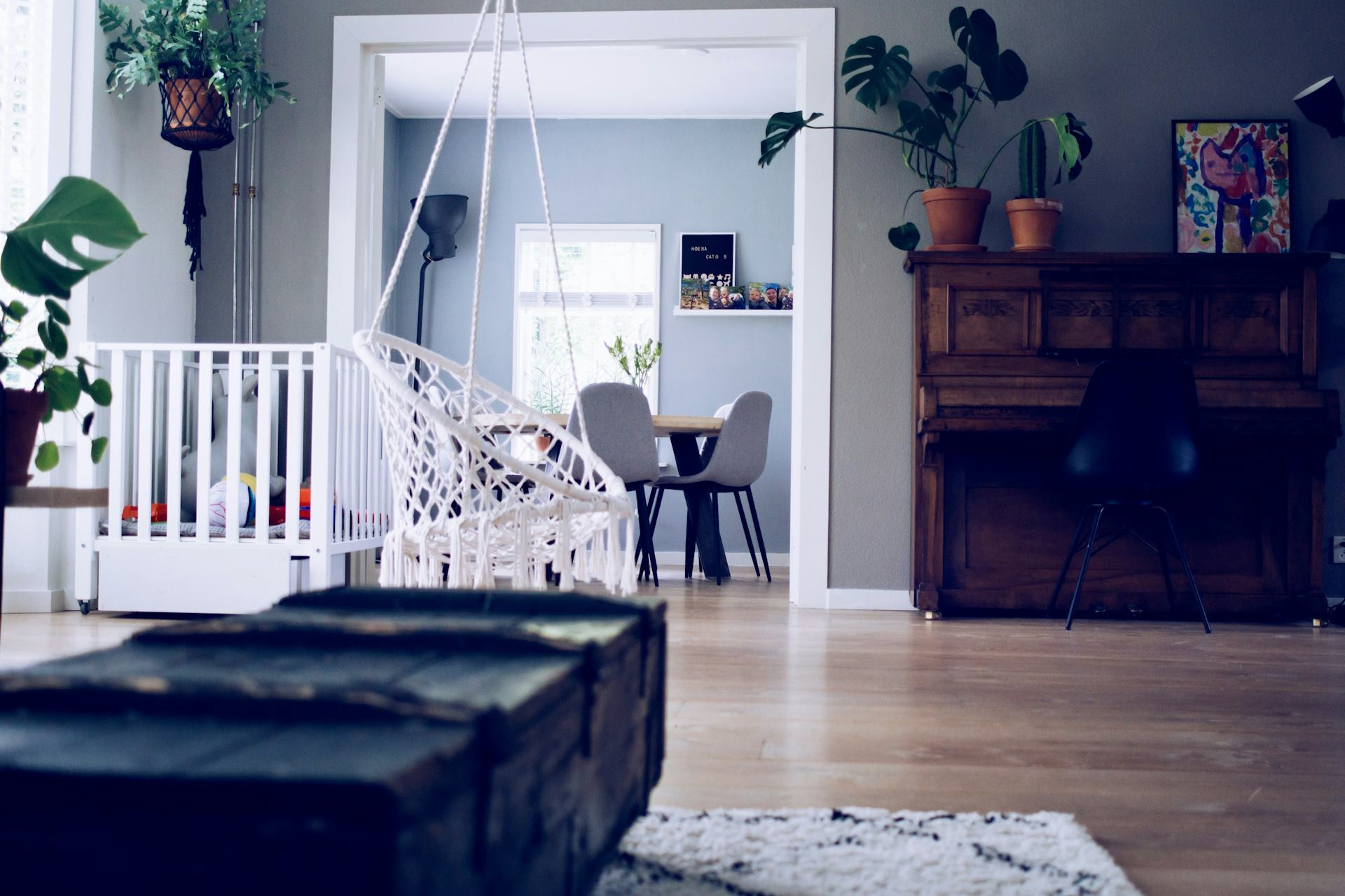
Color sets the mood of a room. While kids often love bright hues, too many bold tones can make it hard to relax. Start with a soothing base—like soft gray, pale blue, or warm beige—and add pops of color through pillows, art, or toys.
If your child wants to help choose colors, let them pick one accent shade that appears in small details. This gives them a sense of ownership without making the room feel overstimulating.
Let Imagination Shine in the Details
A kids’ room doesn’t need to look like a catalog to feel magical. Often, it’s the small touches that make it special. A canopy can turn a bed into a cozy fort, and glow-in-the-dark stars can create a dreamy night sky. You might paint one wall with chalkboard paint for doodles or hang a string with clips for artwork and photos.
The key is to let the room reflect your child’s personality. A space that feels like “my place” gives comfort and encourages creativity.
Smart Storage for a Peaceful Space
Clutter can quickly take over a child’s room, making it harder to relax. Keep things organized with practical storage solutions:
- Bins and baskets at kid height so they can clean up on their own.
- Shelves with doors for items not used every day.
- A simple system—cars in one bin, blocks in another—so everything has a home.
When kids know where things belong, tidying up becomes part of the routine rather than a chore.
Light, Sound, and Air – The Invisible Elements
A calm room isn’t just about what you see. Light, sound, and air quality matter too. Make sure there’s plenty of natural light during the day and soft, adjustable lighting for evenings. Blackout curtains can help with better sleep.
Limit electronics in the bedroom—screens and flashing lights can make it harder to wind down. And don’t forget to air out the room daily; fresh air helps with both sleep and focus.
Design Together with Your Child
When your child is old enough, involve them in the decorating process. It gives them a sense of pride and helps them take care of their space. Ask what they dream of—a forest hideout, a castle, or a spaceship—and find small, flexible ways to bring that theme to life without overwhelming the room.
A kids’ room should grow with your child. Choose furniture and décor that can adapt as they get older.
Læs også:
A Space for Both Dreams and Peace
The perfect kids’ room isn’t necessarily the most colorful or the most stylish—it’s the one where your child feels safe, inspired, and balanced. When you combine imagination with structure, you create a space that invites play and nurtures calm. And that balance makes everyday life smoother for both kids and parents.
Læs også: