Vitamins Throughout the Year: How the Seasons Affect Your Nutrient Intake


Vitamins Throughout the Year: How the Seasons Affect Your Nutrient Intake
Our need for vitamins and minerals doesn’t change dramatically from month to month—but our diet and lifestyle do. The seasons influence what we eat, how much sunlight we get, and how our bodies absorb nutrients. Adjusting your diet slightly throughout the year can help you stay balanced and energized. Here’s how to support your body with the right vitamins through all four seasons.
Spring: Renewal and Fresh Greens
After a long winter of heavier meals and less sunlight, spring is the perfect time to refresh your body. The season brings an abundance of fresh produce rich in vitamin C, folate, and antioxidants.
- Vitamin C from spinach, asparagus, strawberries, and new potatoes supports your immune system and helps your body absorb iron.
- Folate (vitamin B9) in leafy greens like kale and romaine lettuce promotes cell renewal—ideal for a season of new beginnings.
- Vitamin D levels may still be low after winter, especially in northern states, so continuing a supplement until late spring can be beneficial.
Spring is also a great time to get outside more. Fresh air, sunlight, and movement help boost mood and metabolism.
Summer: Sunshine, Vitamin D, and Light Eating
Summer is when your body can naturally produce the most vitamin D from sunlight. Just 10–20 minutes of sun exposure on your arms and legs a few times a week is often enough—just remember sunscreen if you’re outdoors for longer periods.
The season’s colorful produce provides a natural vitamin boost:
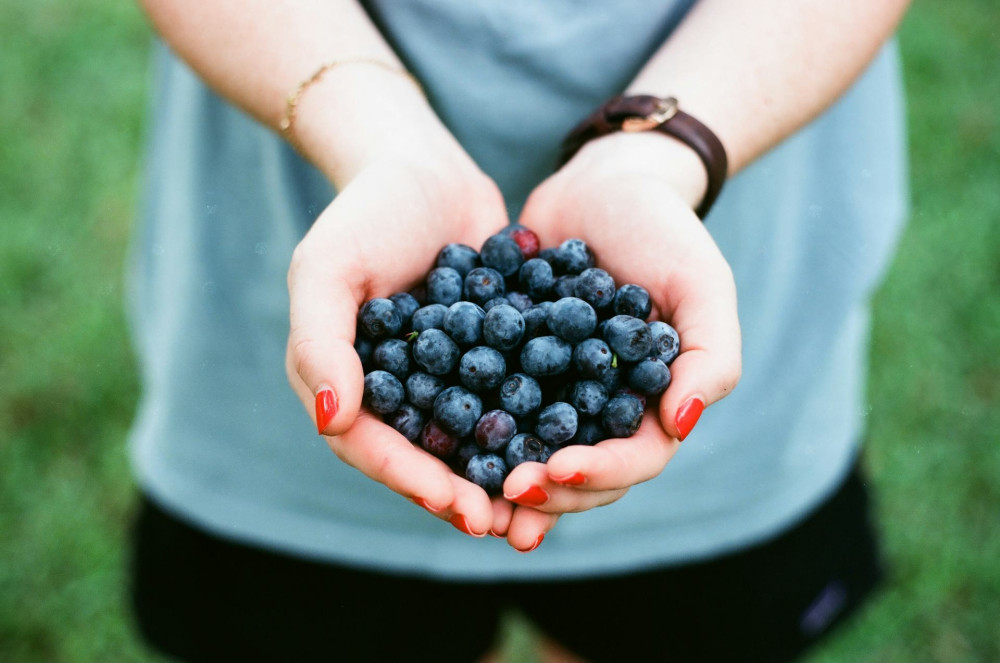
- Vitamin C from berries, bell peppers, and tomatoes strengthens your immune system.
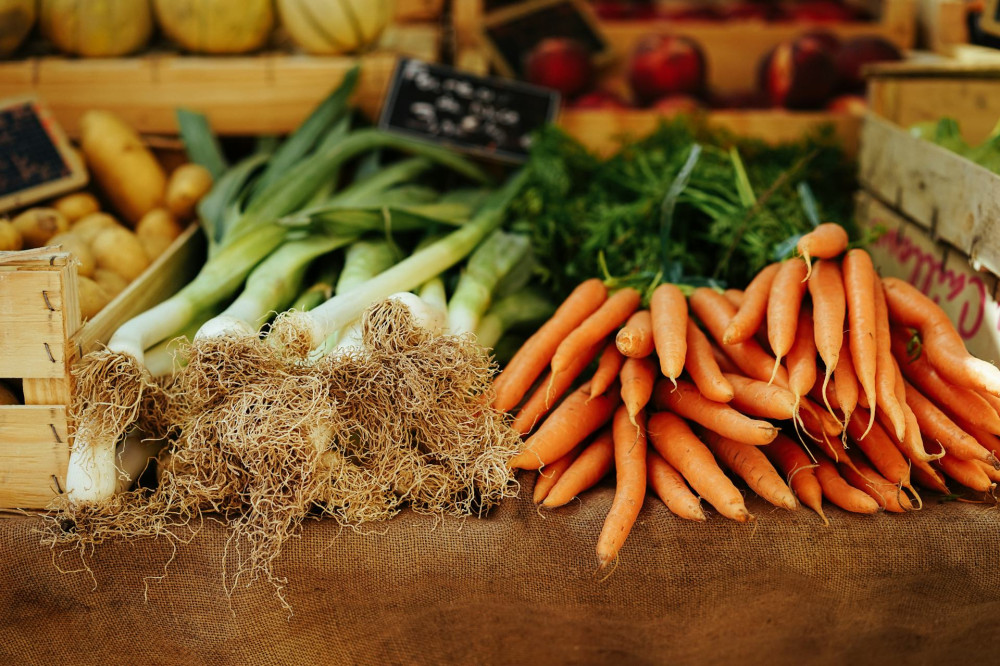
- Beta-carotene (a precursor to vitamin A) from carrots, sweet potatoes, and cantaloupe helps protect your skin from sun damage.
- Hydration and electrolytes are key in the heat—enjoy water-rich foods like cucumbers, watermelon, and oranges, and drink plenty of fluids.
Because summer meals tend to be lighter, make sure you’re still getting enough protein and iron from foods like fish, eggs, beans, or lean meats.
Fall: Strengthening Immunity for the Cold Season
As the days shorten and cold season approaches, fall is the time to fortify your immune system. The harvest months bring nutrient-dense foods that help your body prepare for winter.
- Vitamin C from apples, Brussels sprouts, and kale helps fight infections.
- Zinc from nuts, seeds, and whole grains supports immune function and wound healing.
- Omega-3 fatty acids from salmon, sardines, and walnuts reduce inflammation and support brain health.
- Vitamin D levels begin to drop again as sunlight wanes—consider restarting a supplement in October.
Fall is also perfect for hearty soups and stews made with root vegetables, lentils, and squash—comforting, filling, and full of vitamins and minerals.
Winter: Focus on Vitamin D and Energy
In many parts of the U.S., winter sunlight isn’t strong enough for your skin to make much vitamin D. A daily supplement is often recommended from late fall through early spring. Vitamin D supports bone health, muscle function, and immune defense.
Winter can also challenge your energy levels, so focus on nutrients that help your body stay strong:
- B vitamins from whole grains, eggs, and legumes help convert food into energy.
- Iron from lean meats, lentils, and spinach prevents fatigue—especially important for women.
- Vitamin C from citrus fruits, broccoli, and cabbage enhances iron absorption and helps combat winter tiredness.
Since winter meals can be heavier, balance them with fresh or fermented foods like yogurt, sauerkraut, and leafy greens to support digestion and overall wellness.
Læs også:



A Year in Balance
Eating with the seasons isn’t about strict rules—it’s about tuning in to nature’s rhythm. Choosing seasonal produce means fresher, more flavorful, and often more nutrient-rich meals.
By paying attention to how the seasons affect your vitamin intake, you can support your energy, immunity, and well-being all year long.
Læs også: