Plants as a Source of Protein: How to Use Legumes, Nuts, and Seeds in Everyday Cooking

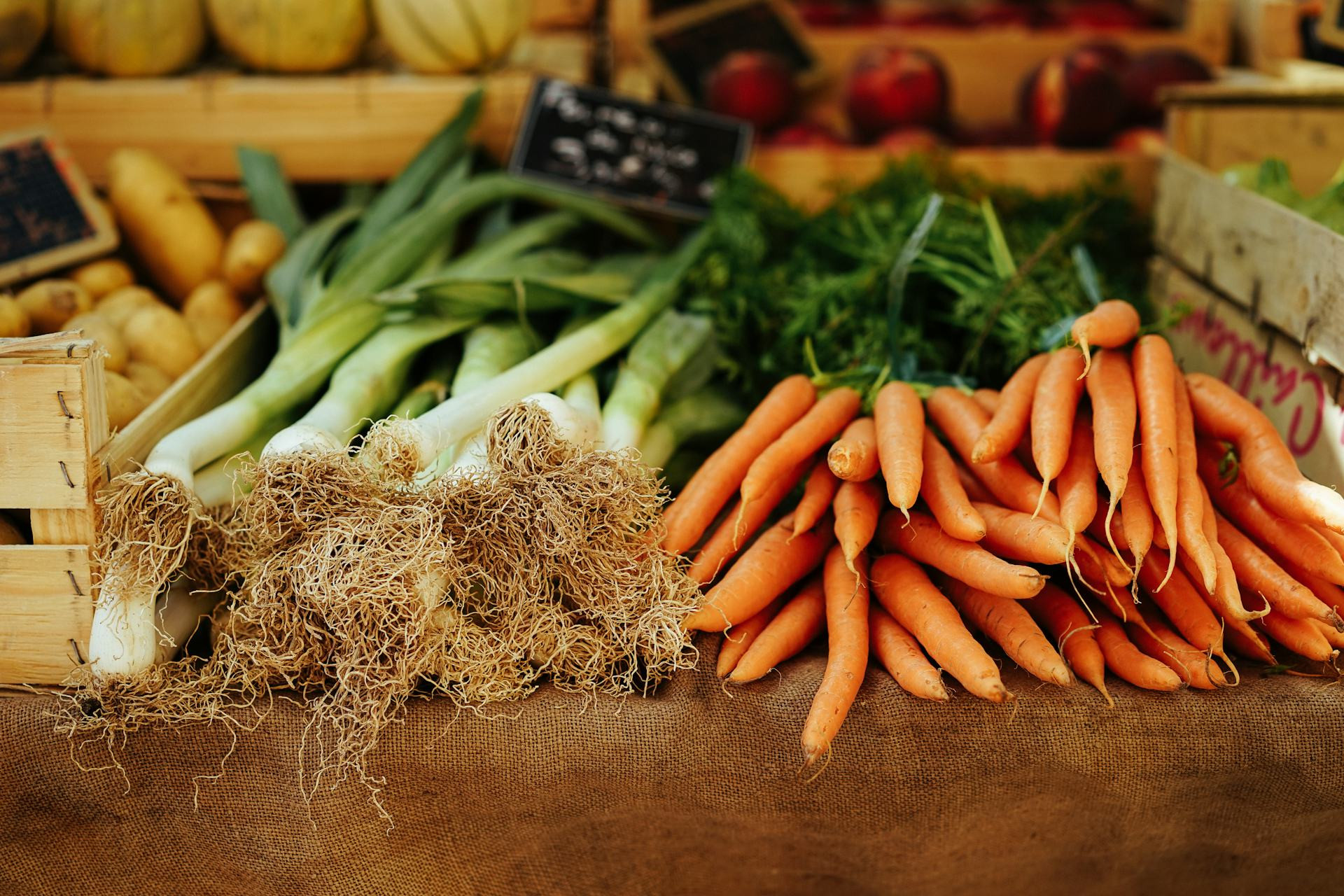
Discover how plant-based proteins can transform your meals and support a healthier lifestyle
Health
Health
2 min
Learn how to make legumes, nuts, and seeds a natural part of your daily cooking. This guide shows how these plant-based ingredients can provide the protein your body needs while adding flavor, texture, and sustainability to your diet.
Dante Stevens
Dante
Stevens

Plants as a Source of Protein: How to Use Legumes, Nuts, and Seeds in Everyday Cooking

Discover how plant-based proteins can transform your meals and support a healthier lifestyle
Health
Health
2 min
Learn how to make legumes, nuts, and seeds a natural part of your daily cooking. This guide shows how these plant-based ingredients can provide the protein your body needs while adding flavor, texture, and sustainability to your diet.
Dante Stevens
Dante
Stevens

More Americans are exploring plant-based eating—whether for health, environmental, or ethical reasons. But when meat takes a smaller role on the plate, one question often comes up: how do you get enough protein? The answer lies in the plant kingdom. Legumes, nuts, and seeds are excellent sources of protein that can add flavor, texture, and variety to your meals. Here’s how to make them a natural part of your everyday cooking.

Why Plant Protein?

Protein is essential for building and repairing tissues, supporting hormones, and maintaining a strong immune system. While meat, eggs, and dairy have long been the go-to sources, plants can easily meet your protein needs when eaten in variety.

Plant-based proteins come with added benefits: they’re rich in fiber, vitamins, and healthy fats, and they contain less saturated fat than most animal products. Plus, producing plant proteins generally has a much smaller environmental footprint than raising livestock.

Legumes – The Protein Powerhouses

Legumes—such as lentils, beans, chickpeas, and peas—are among the most protein-rich foods in the plant world. They’re affordable, filling, and incredibly versatile.

  • Chickpeas can be turned into hummus, shaped into falafel, or roasted for a crunchy snack.
  • Lentils cook quickly and work beautifully in soups, stews, or veggie burgers.
  • Black beans and kidney beans add heartiness to chili, tacos, or grain bowls.

A smart tip: cook a large batch of beans or lentils and freeze them in smaller portions. That way, you’ll always have a ready-to-use protein source for quick meals.

Nuts – Small but Mighty

Nuts are more than just a snack. They’re packed with protein, healthy fats, and minerals like magnesium and zinc. A small handful a day can help keep your energy steady and your appetite satisfied.

  • Almonds are great in oatmeal, salads, or baked goods.
  • Walnuts pair well with apples, roasted vegetables, or leafy greens.
  • Cashews can be blended into creamy sauces or dairy-free “cheese” spreads.

Because nuts are calorie-dense, a small handful (about one ounce) is a good daily portion.

Seeds – The Tiny Nutrient Boosters

Seeds may be small, but they’re nutritional powerhouses. They’re easy to sprinkle on almost anything and add both crunch and protein.

  • Sunflower and pumpkin seeds are delicious in salads, granola, or as soup toppings.
  • Chia and flax seeds provide protein and omega-3 fatty acids—perfect for smoothies, overnight oats, or yogurt.
  • Sesame seeds add flavor to stir-fries or can be blended into tahini, a staple in many plant-based dishes.

Try lightly toasting seeds in a dry skillet to bring out their nutty flavor and extra crunch.

Combining Plant Proteins

Most plant proteins don’t contain all the essential amino acids in the same proportions as animal proteins. But by eating a variety of plant foods throughout the day—like beans with rice, or whole-grain toast with nut butter—you’ll easily get a complete amino acid profile.

You don’t need to combine everything in one meal. Variety over the course of the day or week is what matters most. A balanced plant-based diet can meet the protein needs of children, adults, and older adults alike.

Everyday Inspiration

Incorporating plant proteins doesn’t have to be complicated. Here are a few easy ideas:

  • Make a lentil soup with vegetables and herbs for a hearty, quick dinner.
  • Use beans instead of meat in tacos, burritos, or pasta sauces.
  • Top your morning oatmeal with nuts, seeds, and fresh fruit.
  • Blend chickpeas with lemon and garlic for a simple homemade hummus.
  • Bake whole-grain bread with pumpkin or flax seeds for extra protein and texture.

Small changes can make a big difference—for your health and for the planet.

A Sustainable Choice for the Future

Choosing plant-based proteins isn’t just about nutrition—it’s also about responsibility. Growing legumes, nuts, and seeds requires fewer resources and produces less greenhouse gas than meat production. At the same time, it encourages a more diverse and creative food culture.

By letting plants take center stage in more of your meals, you’re contributing to a healthier, more sustainable future—one plate at a time.

Plants as a Source of Protein: How to Use Legumes, Nuts, and Seeds in Everyday Cooking
Discover how plant-based proteins can transform your meals and support a healthier lifestyle
Health
Health
Plant Protein
Healthy Eating
Vegetarian Cooking
Sustainable Food
Nutrition
2 min
Learn how to make legumes, nuts, and seeds a natural part of your daily cooking. This guide shows how these plant-based ingredients can provide the protein your body needs while adding flavor, texture, and sustainability to your diet.
Dante Stevens
Dante
Stevens
Leading with Joy: How to Strengthen Well-Being Through Trust and Clarity
Discover how joyful, trust-based leadership can transform teams and boost well-being
Health
Health
Leadership
Workplace Well-Being
Trust
Organizational Culture
Employee Engagement
3 min
Learn how leading with joy, trust, and clarity can strengthen both individual and organizational well-being. This article explores practical ways to build a positive culture where people feel valued, engaged, and inspired to perform at their best.
Journey Reed
Journey
Reed
Inflammation – Your Body’s Natural Defense and How You Can Support It
Discover how your body’s natural defense works—and what you can do to keep it in balance
Health
Health
Inflammation
Health
Wellness
Nutrition
Lifestyle
2 min
Inflammation is your body’s built-in healing response, protecting you from injury and infection. But when it becomes chronic, it can harm rather than help. Learn what triggers inflammation, how lifestyle choices affect it, and simple ways to support your body’s natural balance.
Olivia Hernandez
Olivia
Hernandez
Turn Cleaning into a Workout: Add More Movement to Your Daily Chores
Turn your household chores into a fun and effective fitness routine
Health
Health
Fitness
Home
Healthy Lifestyle
Exercise
Motivation
7 min
Discover how to make cleaning count as exercise by adding more movement to your daily chores. With simple adjustments and the right attitude, you can tone your body, boost your energy, and enjoy a cleaner home at the same time.
Everly Baker
Everly
Baker
Vitamins Throughout the Year: How the Seasons Affect Your Nutrient Intake
Keep your body nourished and balanced as the seasons change
Health
Health
Vitamins
Nutrition
Seasonal Health
Wellness
Healthy Living
7 min
Discover how shifting weather, sunlight, and seasonal foods influence your vitamin and mineral intake. Learn which nutrients to focus on in spring, summer, fall, and winter to maintain energy, immunity, and overall well-being all year long.
Jonah King
Jonah
King
Listen to Your Body: Early Signs of Imbalance You Should Know
Discover how to recognize your body’s subtle signals before they turn into bigger health concerns
Habits
Habits
Health
Wellness
Self-Care
Mindfulness
Body Awareness
4 min
Your body often whispers before it shouts. Learn to identify early signs of imbalance—such as changes in energy, sleep, digestion, or mood—and take simple steps to restore harmony and well-being.
Dante Stevens
Dante
Stevens
Small Steps Toward a More Sustainable Everyday Life – Without It Feeling Like a Hassle
Simple ways to live more sustainably—without giving up comfort or convenience
Habits
Habits
Sustainability
Eco Living
Green Lifestyle
Everyday Tips
Well-being
3 min
Discover how small, mindful choices in your daily routine can make a big difference for both the planet and your well-being. Learn practical tips for creating a greener lifestyle that feels natural, easy, and rewarding.
Journey Reed
Journey
Reed
Find nature’s rhythm and create balance in your life
Reconnect with the natural world and rediscover a calmer, more balanced way of living
Habits
Habits
Mindfulness
Nature
Wellbeing
Lifestyle
Stress Relief
5 min
In the rush of modern life, it’s easy to lose touch with the steady rhythm of nature. Learn how tuning in to the seasons, creating mindful outdoor rituals, and embracing nature’s pace can help you find harmony, reduce stress, and restore balance in your everyday life.
Olivia Hernandez
Olivia
Hernandez