The Transformation of the Gravesite: From Traditional Memorials to Personal Expressions of Remembrance

The Transformation of the Gravesite: From Traditional Memorials to Personal Expressions of Remembrance
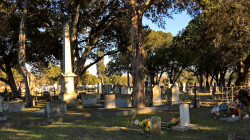
For generations, gravesites have served as places of mourning, reflection, and respect. Yet as society evolves, so too does the way we remember those who have passed. Where cemeteries once followed strict conventions—rows of uniform headstones and formal inscriptions—today’s memorials increasingly reflect individuality and personal stories. The gravesite is no longer just a resting place; it has become a canvas for remembrance and a celebration of life.
From Tradition to Personalization
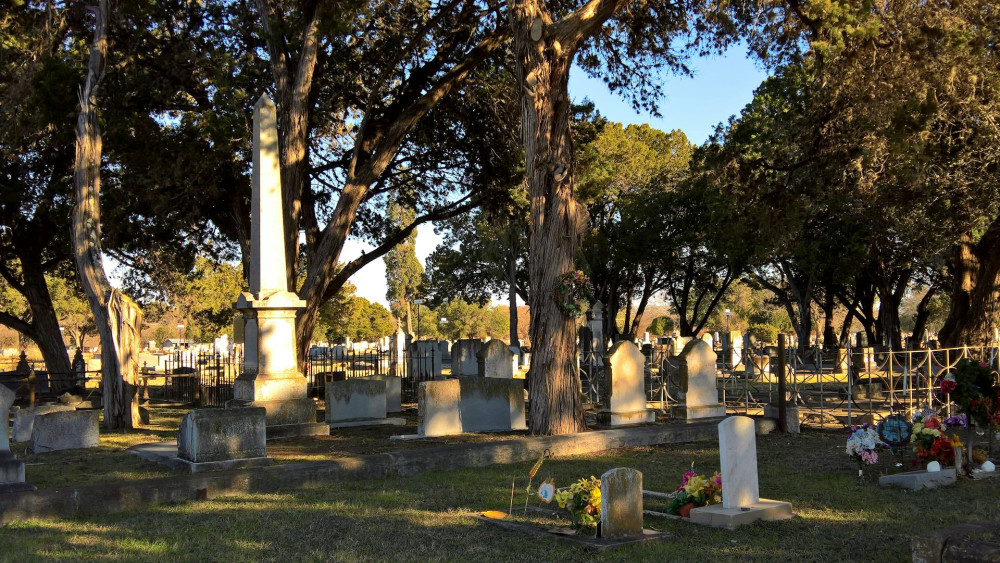
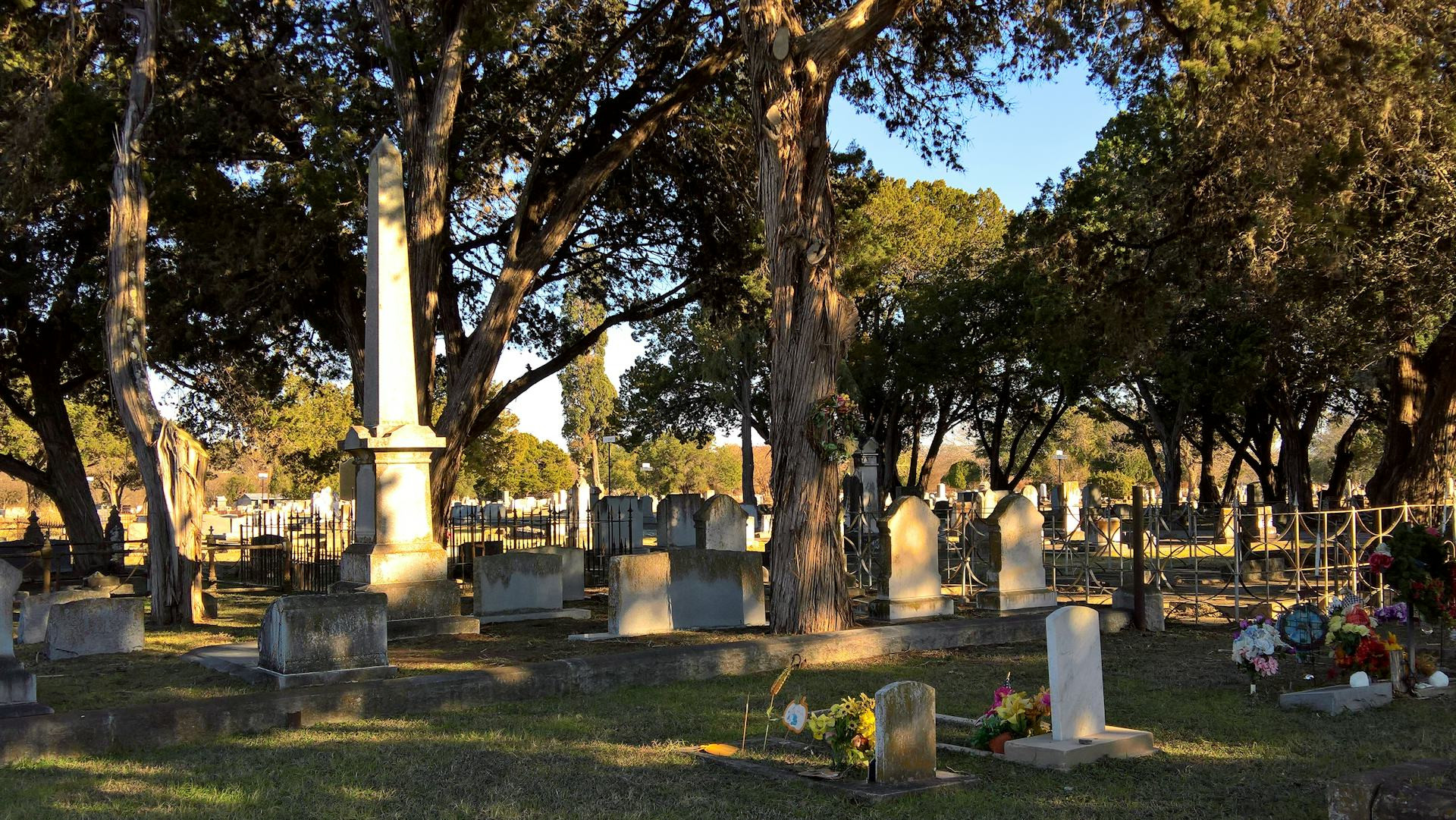
For much of American history, burial traditions were guided by religious and cultural norms. Headstones were typically rectangular, carved from granite or marble, and inscribed with names, dates, and perhaps a short epitaph. In recent decades, however, families have sought more personal ways to honor their loved ones. Custom shapes, engraved symbols, favorite quotes, and even images now appear on headstones across the country.
Some families choose natural stones with irregular forms, while others incorporate color, glass, or metal to create a distinctive look. QR codes linking to online memorial pages are becoming more common, allowing visitors to learn about the person’s life through photos, stories, and videos. The focus has shifted from marking a death to telling a life story.
New Forms of Burial and Memorialization
Cemeteries and funeral services in the United States have adapted to these changing preferences, offering a wider range of options than ever before.
- Cremation memorials have become increasingly popular, often accompanied by smaller markers or memorial plaques.
- Columbaria and memorial gardens provide serene spaces for reflection without the need for a traditional grave.
- Green burials—where remains are interred in biodegradable materials within natural settings—appeal to those seeking an environmentally conscious farewell.
- Private memorials at home or in digital form allow families to create personal spaces of remembrance outside the cemetery.
This diversity reflects a broader cultural shift toward choice and individuality, even in how we say goodbye.
Meaning in Materials and Symbols
The materials and symbols used in memorials have also evolved. While granite and marble remain popular, many families now choose wood, glass, stainless steel, or natural stone to create a more personal or contemporary expression. The imagery has expanded beyond crosses and angels to include hearts, birds, musical notes, or hobbies that capture the essence of the person remembered.
These personal touches help families maintain a sense of connection. Seeing a symbol or design that reflects a loved one’s passions can bring comfort and a feeling that their spirit still resonates in the space.
The Digital Dimension of Memory
Technology has introduced new ways to preserve and share memories. Online memorial pages, social media tributes, and virtual remembrance events have become part of modern mourning culture. Some headstones now feature embedded QR codes that link to digital archives, blending the physical and virtual worlds of remembrance.
For younger generations, this integration feels natural. It allows memories to remain accessible and interactive, connecting family and friends across distances and generations.
Læs også:
Cemeteries as Living Spaces
Across the United States, cemeteries are being reimagined as places not only of grief but also of peace, reflection, and community. Many are designed as green, open spaces that invite visitors to walk, meditate, or simply enjoy the quiet. Some host guided tours, art installations, or concerts that explore themes of life, death, and memory—helping to demystify what was once considered a private or somber domain.
This shift reflects a growing recognition that remembrance can coexist with life, creativity, and even celebration.
A New Way to Remember
The transformation of the gravesite mirrors a broader cultural movement—from uniform tradition to personal expression. Where earlier generations followed established customs, today’s families seek authenticity and meaning in how they honor their loved ones.
This evolution does not diminish respect for the dead; rather, it deepens it. A personalized memorial can be a quiet tribute, a creative expression, or a space where life and memory meet in harmony. Ultimately, the changing landscape of remembrance reveals something profoundly human: our enduring desire to keep the stories of those we love alive, in ways that speak to who they truly were.
Læs også: