From Cremation to Burial – Step-by-Step Guide to the Process

From Cremation to Burial – Step-by-Step Guide to the Process
When a loved one passes away, families are faced with many decisions about how to honor their memory. In the United States, cremation has become an increasingly common choice, often followed by burial of the ashes or scattering in a meaningful place. Understanding how the process unfolds—from the moment of death to the final resting place—can bring comfort and clarity during a difficult time. Here is a step-by-step overview of what typically happens.
From Death to Cremation
After a person’s passing, a licensed physician or coroner issues a death certificate. The funeral home then assists the family with the necessary paperwork, including obtaining authorization for cremation. In most states, cremation cannot take place until a waiting period has passed and all required permits are signed by the next of kin.
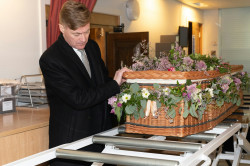
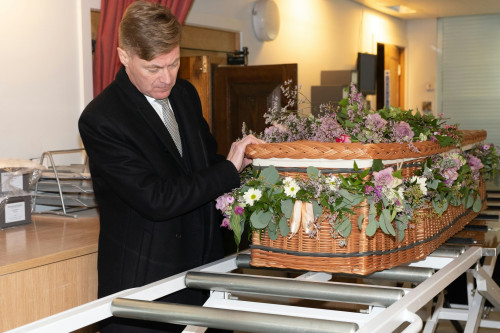
The deceased is transported to a crematory or funeral home. Identification is carefully verified, and a metal ID tag accompanies the body throughout the entire process to ensure accuracy. The body is placed in a cremation container or casket made of combustible materials, such as wood or heavy cardboard, without metal parts.
The Cremation Process
Cremation takes place in a specially designed chamber, often called a retort, which reaches temperatures between 1,400 and 1,800 degrees Fahrenheit. The process usually lasts about two to three hours. Once complete, the remaining bone fragments are cooled, processed into a fine, sand-like consistency, and placed in a temporary container or urn.
Crematories in the U.S. follow strict regulations to ensure that every cremation is handled with dignity and respect. Some facilities allow family members to witness the start of the cremation if they wish, offering a moment of closure and reflection.
Choosing and Receiving the Urn
After cremation, the ashes—often referred to as “cremated remains”—are returned to the family. They can be placed in a decorative urn chosen by the family or kept in the temporary container provided by the crematory. Many families take time to decide on the final resting place, whether that means burial, placement in a columbarium niche, or scattering in a meaningful location.
Urns come in a wide range of materials and designs, from biodegradable options for burial to elegant keepsake urns for display at home. Funeral directors can help guide families through the choices based on personal preferences and local cemetery regulations.
Burial of the Ashes
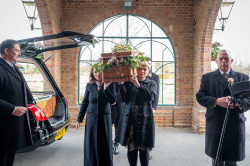
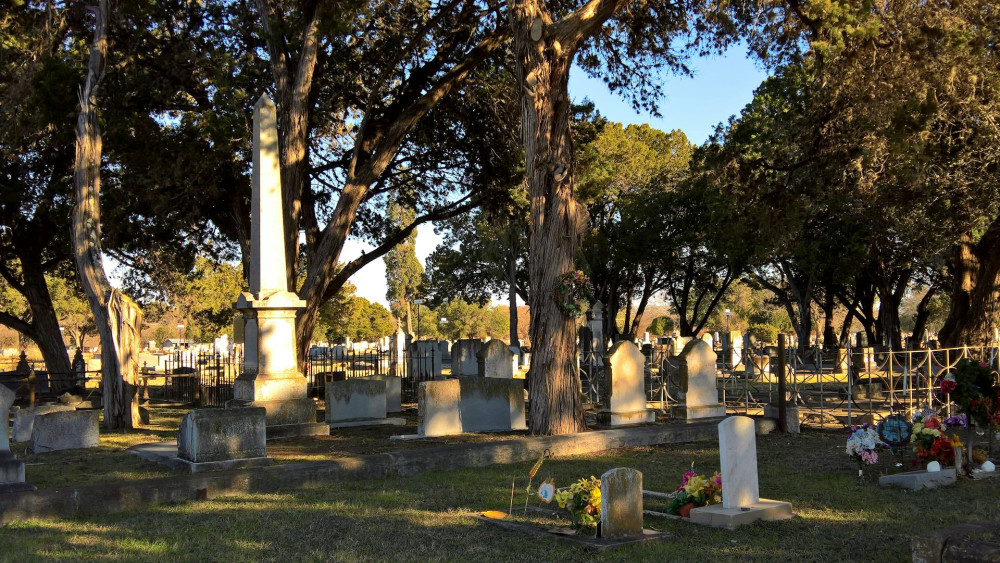
If the family chooses burial, the urn can be interred in a cemetery plot, family grave, or urn garden. Some cemeteries have dedicated sections for cremated remains, while others allow urns to be buried alongside traditional caskets. The burial may be accompanied by a graveside service, led by a clergy member or officiant, or it may be a quiet, private moment shared by close family.
Before burial, the cemetery staff prepares the site, and the urn is gently lowered into the ground or placed in a vault, depending on local requirements. Flowers, prayers, or personal tributes often accompany this final step.
Læs også:
Scattering or Other Memorial Options
For those who prefer not to bury the ashes, scattering is another meaningful option. Families may choose to scatter ashes in a garden, at sea, or in another location that held special significance to the deceased. It’s important to check local and state laws, as some areas require permits or have restrictions on scattering.
Other families choose to keep a portion of the ashes in keepsake jewelry, small urns, or memorial glass art. These personal touches can help keep the memory of a loved one close.
After the Burial or Scattering
Once the ashes have been laid to rest, families often mark the site with a headstone, plaque, or memorial marker. Cemeteries typically offer maintenance and visitation year-round, providing a peaceful place for remembrance. For those who scatter ashes, creating a symbolic memorial—such as planting a tree or dedicating a bench—can offer a lasting tribute.
A Respectful Farewell
From cremation to burial, the process is both practical and deeply symbolic. It represents the transition from life to memory and gives families a way to say goodbye with dignity and love. Understanding each step can ease uncertainty and allow space to focus on what truly matters—honoring and remembering the person who has passed.
Læs også: