Preserve the Flavors of the Season: How to Prepare Produce for Year-Round Use

Preserve the Flavors of the Season: How to Prepare Produce for Year-Round Use
When summer’s farmers markets overflow with berries and tomatoes, and fall brings baskets of apples and squash, it’s tempting to enjoy everything right away. But with a little planning, you can capture those seasonal flavors and enjoy them long after the harvest ends. Preserving produce isn’t just about saving money—it’s also about reducing food waste and staying connected to the rhythm of the seasons. Here’s how to make the most of nature’s bounty all year long.
Know the Seasons—and Plan Ahead
The first step is understanding what’s in season where you live. Spring brings asparagus and strawberries, summer offers corn and peaches, fall is rich with apples and root vegetables, and winter favors hearty greens and citrus. Buying produce at its peak means better flavor, better nutrition, and better prices.
Create a seasonal calendar of your favorite fruits and vegetables, and decide how you want to preserve them—by freezing, canning, drying, or fermenting. A little planning helps you shop smart and avoid letting good food go to waste.
Freezing—The Easiest Way to Keep It Fresh
Freezing is one of the simplest and most effective ways to preserve flavor and nutrients. Most vegetables benefit from a quick blanching—boiling briefly, then cooling in ice water—before freezing. This step helps maintain color, texture, and vitamins.
- Berries can be frozen directly. Spread them on a baking sheet first so they don’t clump together.
- Vegetables like green beans, peas, and broccoli should be blanched for 1–3 minutes.
- Herbs can be chopped and frozen in ice cube trays with a little olive oil or water—perfect for soups and sauces later.
Label your containers with the date and contents so you can easily keep track of what’s in your freezer.
Læs også:



Canning and Pickling—Tradition with a Twist
Canning and pickling are time-honored methods that add both longevity and flavor. Cucumbers, beets, onions, and green beans are great for pickling in vinegar, sugar, and spices. You can also make sweet preserves with fruits like peaches, cherries, or blueberries.
Water-bath canning is ideal for high-acid foods like fruits and pickles, while pressure canning is best for low-acid vegetables and meats. It takes a bit of equipment and care, but the reward is a pantry full of colorful jars that taste like summer in the middle of winter.
Drying—Concentrated Flavor, Long Shelf Life
Drying removes moisture and intensifies flavor. You can use a dehydrator, a low oven, or even the sun if you live in a dry climate.
- Apples and pears make crisp, sweet chips.
- Tomatoes become rich and savory when dried slowly.
- Herbs like thyme, oregano, and mint keep their aroma best when hung in small bunches in a dark, airy place.
Store dried foods in airtight jars and use them in cooking or as healthy snacks.
Fermenting—Flavor and Health in Every Jar
Fermentation is an ancient preservation method that’s making a comeback. By letting natural bacteria transform the sugars in vegetables, you create foods that are tangy, complex, and full of probiotics.
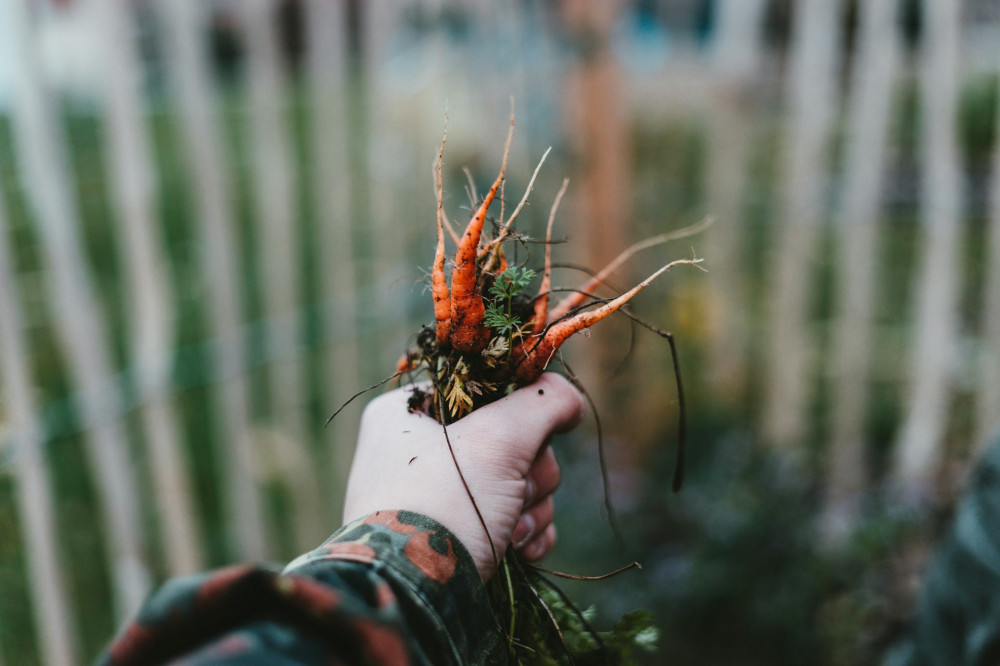
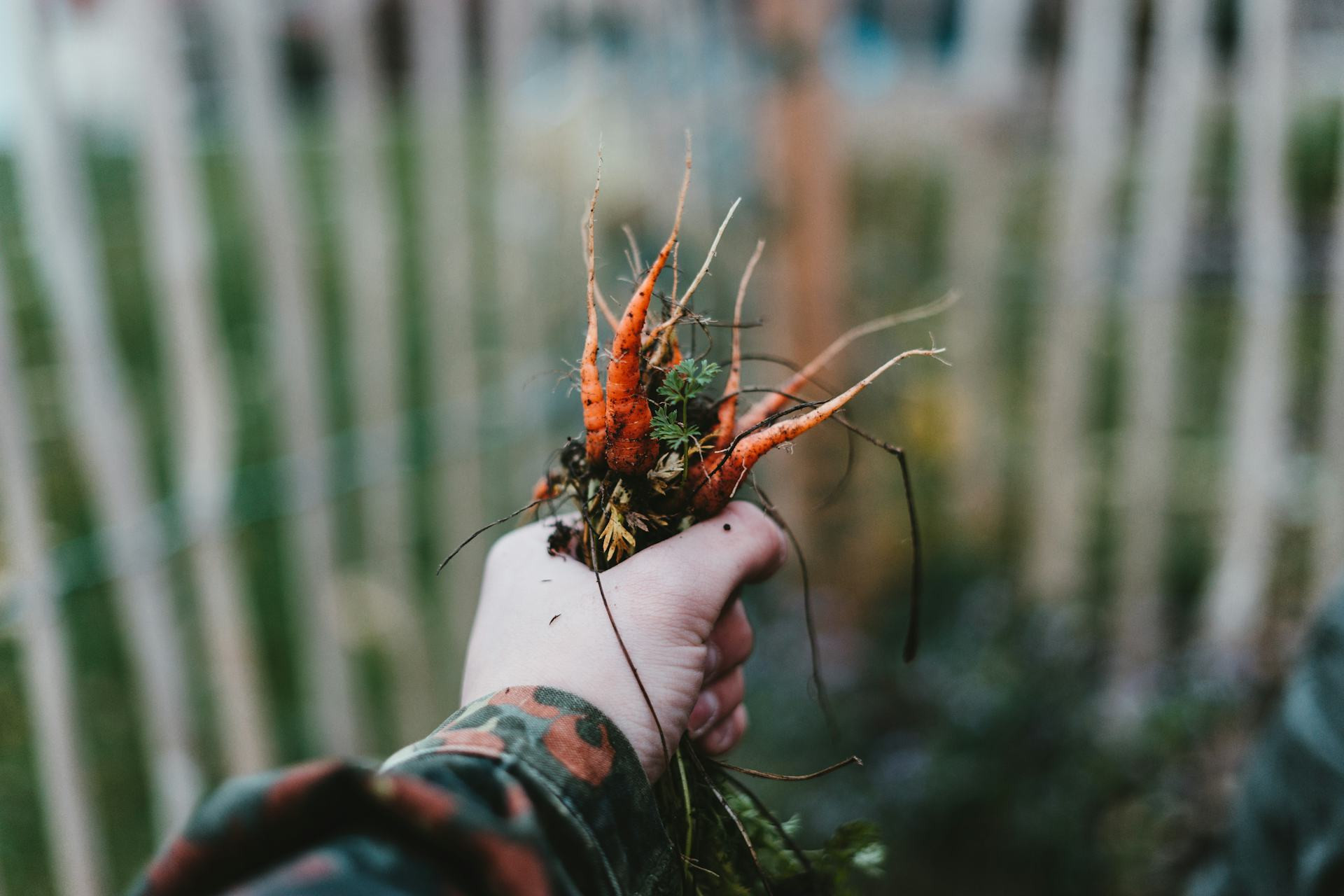
Classics like sauerkraut, kimchi, and fermented carrots are easy to make at home. All you need are vegetables, salt, and a clean jar. After a few days or weeks—depending on temperature and taste—you’ll have a living food that adds brightness and nutrition to your meals.
Smart Storage—Keeping Produce Fresh Naturally
Even without preserving, many fruits and vegetables last longer when stored properly. Potatoes, onions, and winter squash prefer a cool, dark place. Apples and pears can be kept in a cool basement or garage. Avoid storing fruits and vegetables together—fruits release ethylene gas, which can cause vegetables to spoil faster.
A small pantry, basement, or even an insulated box on a porch can help extend the life of your harvest.
Make It Part of Everyday Life
Preserving produce doesn’t have to be a big project. Start small—freeze a few bags of summer berries or pickle a jar of cucumbers. As you gain confidence, you can experiment with more methods and recipes.
It’s not just about saving food—it’s about savoring the seasons and appreciating what nature provides. When you open a jar of homemade tomato sauce in January or add frozen blueberries to your pancakes in March, you’re not just tasting summer—you’re tasting care, creativity, and connection.
Læs også: