Find Peace in Your Free Time: Hobbies That Boost Presence and Mindfulness

Find Peace in Your Free Time: Hobbies That Boost Presence and Mindfulness
In a world filled with screens, notifications, and endless to-do lists, finding moments of calm can feel like a luxury. Many Americans are turning to hobbies that not only entertain but also help restore balance and presence. Mindful leisure isn’t about achieving perfection—it’s about being fully engaged in what you’re doing, whether that’s painting, gardening, or baking bread. Here are some ideas for hobbies that can help you unwind and reconnect with the present moment.
Creative Focus – Letting Your Hands Lead the Way
Creative activities like painting, drawing, knitting, or pottery have a unique ability to quiet the mind. When your hands are busy, your thoughts tend to slow down, and your attention shifts to the colors, textures, and shapes in front of you. It’s a form of active meditation where repetition and rhythm naturally bring calm.
You don’t need to be an artist to benefit. The goal isn’t to create a masterpiece—it’s to enjoy the process. Many people find that after an hour of creative focus, they feel more relaxed and mentally refreshed.
Start small: keep a sketchbook, knit a simple scarf, or try a beginner’s pottery class at a local studio. The key is to enjoy the act of creating without pressure or judgment.
Læs også:

Nature as a Peaceful Escape
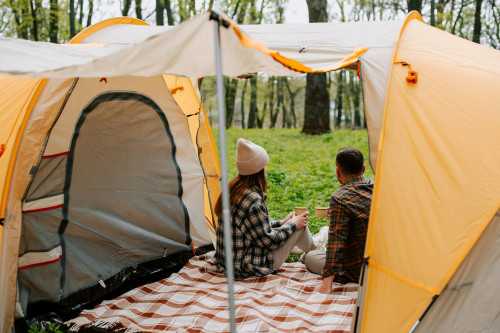
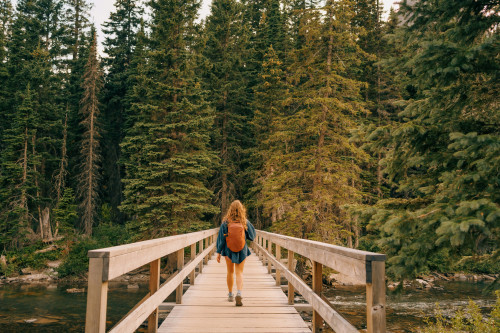
Spending time outdoors is one of the most effective ways to find calm. Research shows that time in green spaces lowers stress, improves focus, and boosts overall well-being. Hobbies like gardening, birdwatching, or hiking can be ideal for cultivating mindfulness in everyday life.
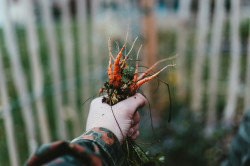
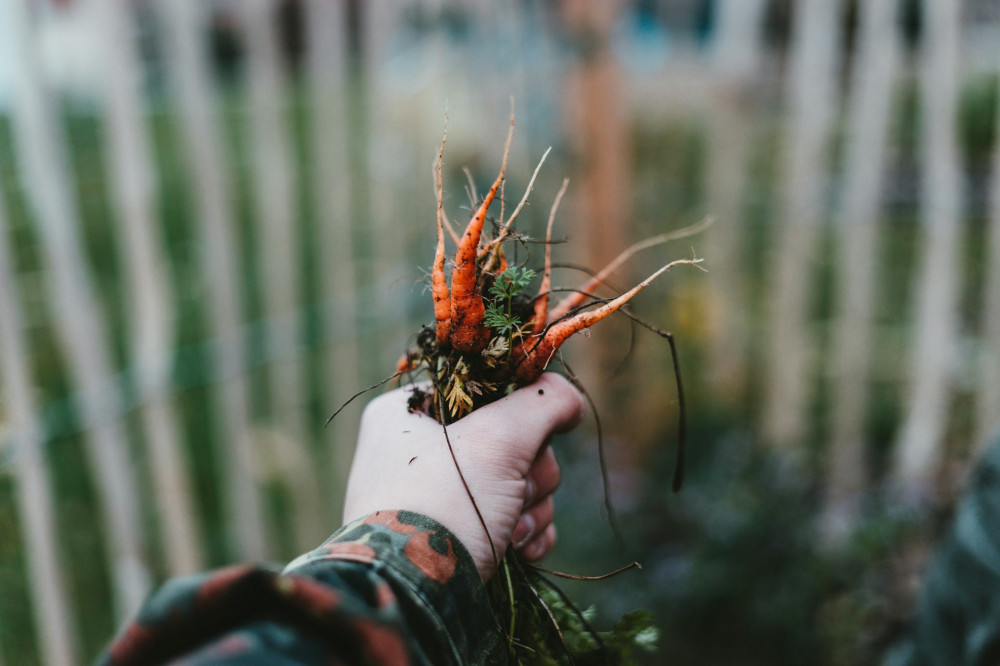
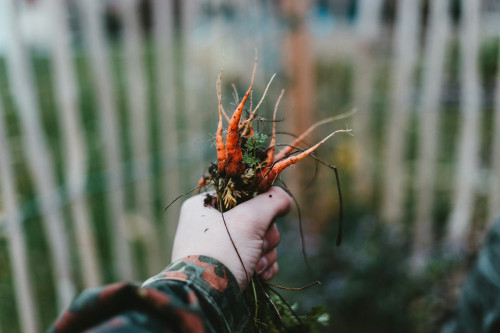
- Gardening offers both physical activity and the satisfaction of nurturing life. Watching plants grow and bloom can be deeply grounding.
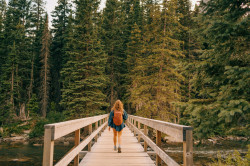
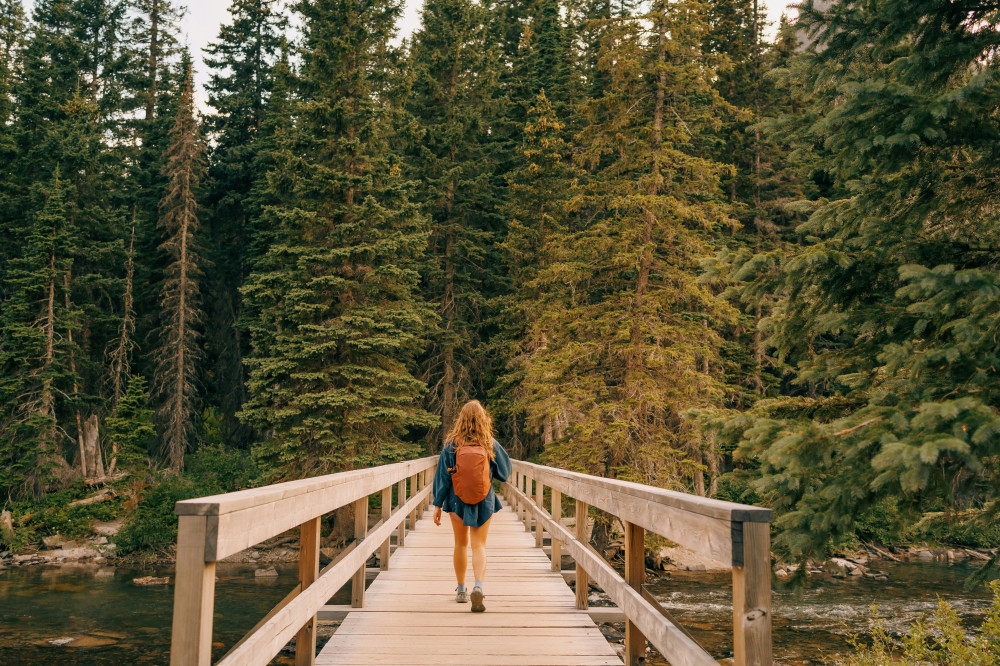
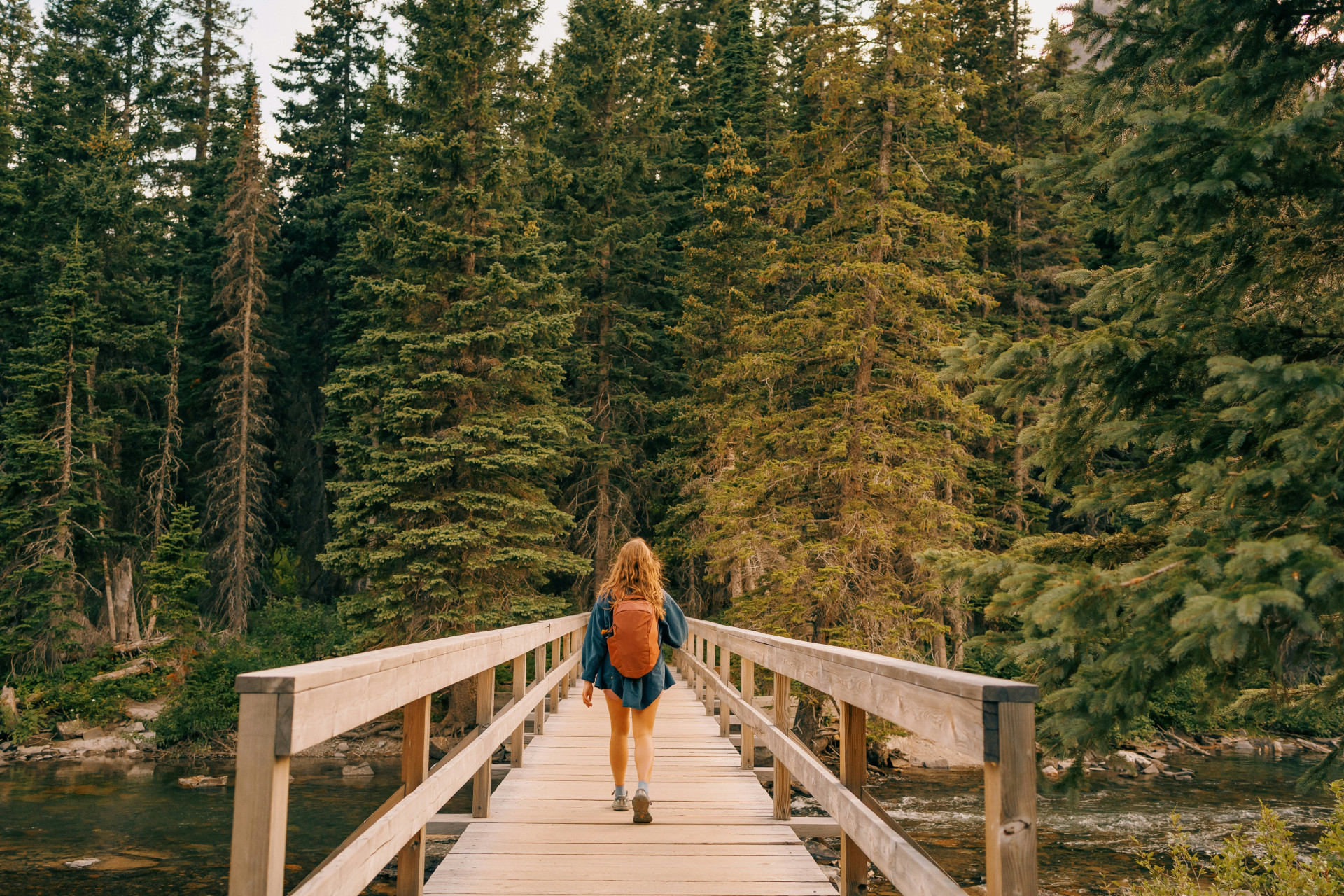
- Hiking or simply walking in a nearby park allows you to reconnect with your body and your surroundings.
- Birdwatching or nature photography sharpens your awareness and helps you notice the small details that often go unseen.
Try leaving your phone in your pocket while you’re outside. Listen to the sounds, feel the breeze, and observe the colors around you—that’s where mindfulness in nature truly begins.
Cooking as a Sensory Meditation
Cooking can be much more than a daily chore. When you take time to chop vegetables, smell spices, and taste as you go, it becomes a sensory experience that draws you into the present moment.
Baking, slow cooking, or fermenting foods can be especially meditative. These processes require patience and attention, and the reward is not just a delicious meal but also a sense of satisfaction and connection to the moment.
Try cooking without background noise—no TV or music, just the sounds of the kitchen. It might feel unusual at first, but many find it brings a deeper sense of calm and enjoyment to the experience.
Music, Movement, and Rhythm
For some, peace isn’t found in stillness but in rhythm and motion. Playing an instrument, singing in a choir, or dancing can be just as mindful as sitting meditation. When you focus on rhythm, breath, and movement, the chatter of the mind fades, and the body takes over.
Yoga, tai chi, and qigong are classic examples of movement practices that combine physical activity with mental stillness. But even informal activities—like dancing in your living room or drumming—can have the same effect. The goal is to let go and allow your body to find its natural rhythm.
Volunteering and Community Connection
Mindfulness isn’t only about turning inward. For many, peace arises through connection—doing something meaningful with others. Volunteering, joining a community garden, or participating in a local art group can foster a sense of belonging and purpose that supports emotional balance.
Helping others or contributing to a shared goal can bring deep satisfaction and remind us that calm isn’t always found in solitude—it can also be found in compassionate action.
Making Space for Calm in Everyday Life
Whatever hobby you choose, the most important thing is to give yourself permission to be present without pressure to perform. Schedule time for it as you would any other commitment—and honor that time.
Mindful free time isn’t about doing more; it’s about doing less with greater awareness. When you find an activity that brings you peace, your free time becomes more than just a break—it becomes a source of renewal and joy.
Læs også: