Makeup for Beginners: Learn a Healthy and Natural Approach

Makeup for Beginners: Learn a Healthy and Natural Approach
Makeup can be a fun and creative way to express yourself—but for many beginners, it can also feel overwhelming. Which products do you really need? How do you avoid overdoing it? And how can you achieve a natural look that still highlights your best features? This guide will help you get started with a healthy, simple approach to makeup that focuses on enhancing—not hiding—your natural beauty.
Start with Good Skincare
Beautiful makeup begins with healthy skin. If your skin is dry, oily, or uneven, even the best foundation won’t sit right. That’s why a consistent skincare routine is essential.
- Cleanse your skin morning and night to remove dirt, oil, and makeup.
- Use a lightweight moisturizer suited to your skin type—whether it’s oily, dry, or combination.
- Apply sunscreen every day, even when it’s cloudy. It protects against premature aging and sun damage.
When your skin is balanced and well cared for, you’ll need less makeup, and the result will look more natural.
Choose the Right Base Products
As a beginner, it’s tempting to buy a lot of products, but you only need a few essentials to start. Keep it simple and build your collection as you gain confidence.
- BB or CC cream provides light coverage and hydration in one step—perfect for a natural finish.
- Concealer can be used under the eyes or on small blemishes.
- A light powder helps set your makeup and reduce shine.
- Blush adds warmth and color to your face—choose a shade that mimics your natural flush.
Start with small amounts. It’s always easier to add a little more than to remove too much.
Læs også:




Eyes and Brows – Small Details, Big Impact
Your eyes are often the first thing people notice, and small touches can make a big difference.
- Brows frame your face. Use a pencil or gel that matches your natural hair color and fill in any sparse areas gently.
- Mascara opens up your eyes and adds length and volume to your lashes. Start with one coat and build up if you want more drama.
- Eyeshadow in neutral tones like beige, taupe, or soft pink works well for beginners and suits most skin tones.
If you want to experiment, try a subtle eyeliner—but remember, a natural look often shines through simplicity.
Lips with a Natural Glow
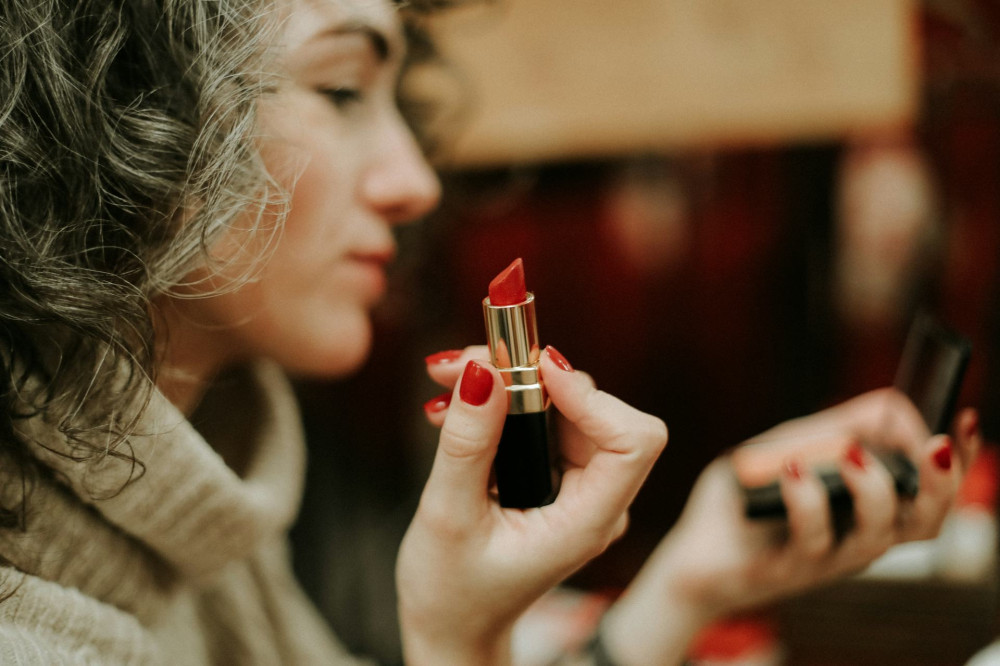
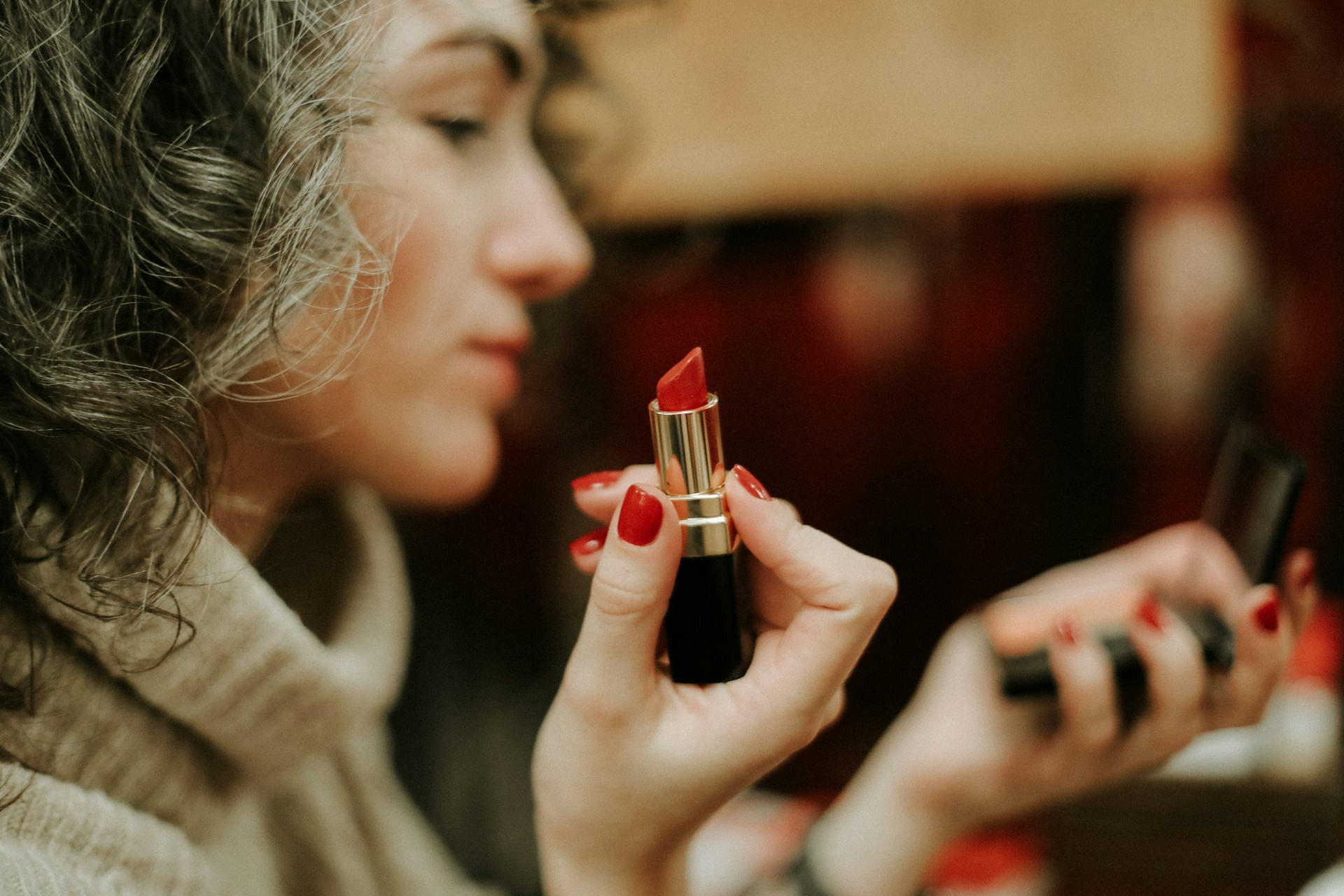
Your lips don’t need bold colors to look beautiful. A tinted lip balm or a light gloss can add both freshness and moisture. If you prefer more color, choose a shade close to your natural lip tone for a soft, effortless look.
A good tip is to gently exfoliate your lips once in a while with a damp cloth or a mild scrub. It removes dry skin and helps your lip color go on smoothly.
Remove Your Makeup – Let Your Skin Breathe
A healthy makeup routine isn’t just about what you put on your skin—it’s also about how you take it off. Never go to bed with makeup on, as it can clog pores and cause irritation.
Use a gentle makeup remover or micellar water, then follow with your usual cleanser and moisturizer. This allows your skin to rest and renew overnight.
Listen to Your Skin – and Find Your Own Style
There are no strict rules when it comes to makeup. The most important thing is that you feel comfortable and confident. Some days you might want a little more color; other days, almost none at all. Listen to your skin and your mood—and remember, makeup should enhance what’s already beautiful about you.
When you take the time to understand your skin and choose products that suit you, makeup becomes a natural extension of your personal style—not a mask.
Læs også: