Roof Shape and Pitch – Aesthetic and Functional Harmony

Roof Shape and Pitch – Aesthetic and Functional Harmony
The roof is one of the most defining features of any home. It shields the structure from the elements, but it also plays a major role in the building’s overall appearance. The shape and pitch of a roof influence not only its aesthetic appeal but also its performance, energy efficiency, and durability. In this article, we explore how to find the right balance between beauty and practicality when choosing a roof for your home.
Roof Shape – The Home’s Signature
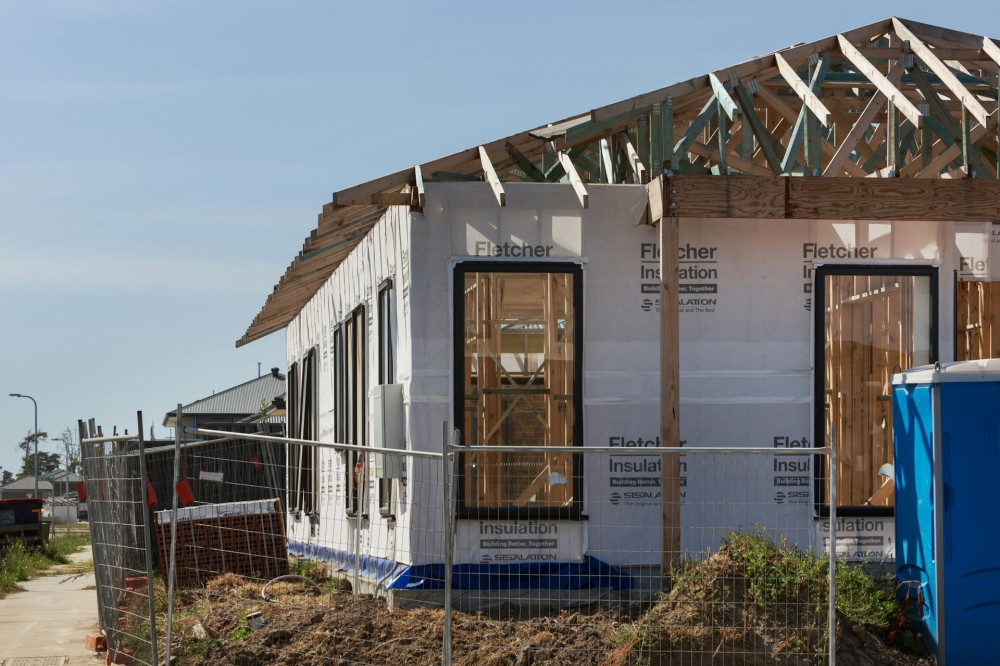
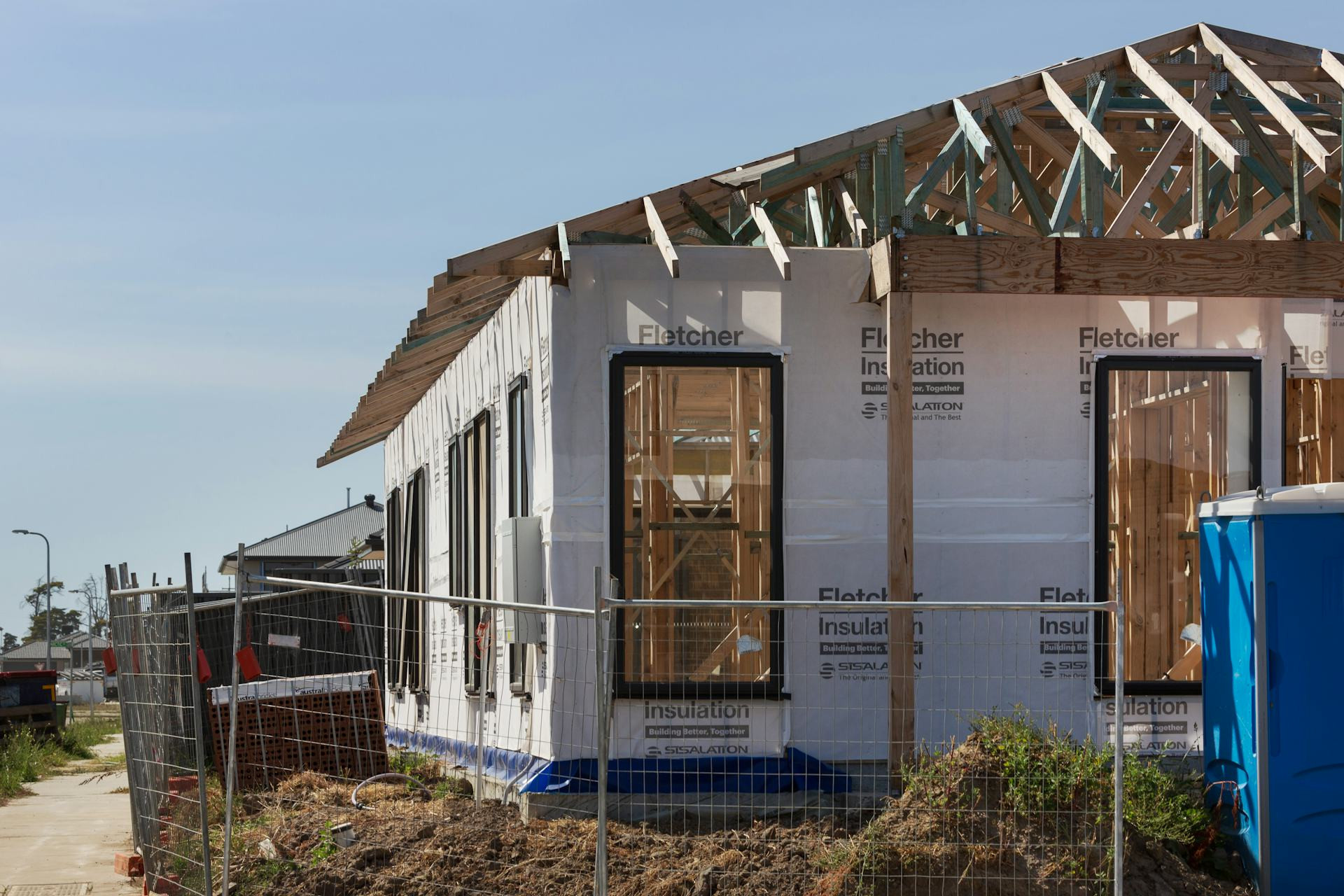
A roof’s shape is often the first thing people notice about a house. It gives the building character, helps it blend with its surroundings, and reflects a particular architectural style.
- Gable roofs are the classic American choice. They suit both traditional and modern homes and efficiently shed rain and snow.
- Hip roofs have slopes on all four sides, creating a softer, more balanced look and offering excellent wind resistance—ideal for hurricane-prone regions.
- Flat roofs are common in contemporary architecture and urban settings. They allow for rooftop decks or green roofs but require careful waterproofing and drainage.
- Gambrel and mansard roofs are often seen on historic or farmhouse-style homes, providing extra attic space and a distinctive silhouette.
Choosing a roof shape is not just about style—it’s also about how the home functions day to day. A low-slope roof can create a sleek, modern profile, while a steep roof adds drama and allows for more usable space under the rafters.
Roof Pitch – More Than Just an Angle
The pitch, or slope, of a roof affects both its look and its performance. It determines how efficiently water and snow are shed, how much attic space is available, and which roofing materials are suitable.
- Low-slope roofs (0–3:12) require special attention to waterproofing and drainage. They offer a modern aesthetic but demand high-quality installation.
- Moderate slopes (4:12–8:12) are the most common across the U.S. They provide good runoff and work well with materials like asphalt shingles, metal panels, or tiles.
- Steep slopes (above 9:12) are typical in snowy regions or on older homes. They create a striking appearance and help prevent snow buildup.
Pitch also influences energy performance. A south-facing roof with the right angle can maximize solar panel efficiency, while a lower pitch may reduce wind resistance in open or coastal areas.
Materials and Expression
Once the shape and pitch are decided, the next step is choosing materials. The right roofing material should complement the home’s architecture, climate, and maintenance needs.
- Asphalt shingles are the most common roofing material in the U.S.—affordable, versatile, and available in many colors and styles.
- Metal roofing offers durability, energy efficiency, and a modern look. It’s especially popular in regions with heavy snow or high winds.
- Clay or concrete tiles provide a timeless, Mediterranean feel and excellent longevity, though they require a strong roof structure.
- Wood shakes and shingles give a natural, rustic charm but need regular maintenance and are best suited for dry climates.
- Green roofs with vegetation are gaining popularity in urban areas for their insulation and environmental benefits.
The choice of material should harmonize with the home’s design and surroundings. A sleek steel roof may suit a minimalist modern home, while a craftsman bungalow might look best with textured shingles or cedar shakes.
Aesthetic and Functional Balance
A successful roof design achieves harmony between form and function. A roof must not only look good but also perform reliably—withstanding wind, rain, snow, and sun while enhancing the home’s overall character.
Architects and homeowners often consider roof shape and pitch early in the design process. This is where aesthetics and practicality meet: in the lines, proportions, and materials that define the home’s personality. A roof that complements the façade and landscape can elevate the entire architectural composition.
Local Conditions and Building Codes
Before deciding on a roof shape or pitch, it’s essential to check local building codes and neighborhood guidelines. Many communities have restrictions to maintain a consistent appearance or to meet safety standards. Climate also plays a major role—roofs in the snowy Midwest need steeper pitches, while those in the Southwest must handle intense sun and heat.
Consulting with a local architect or roofing professional can help ensure your design meets both aesthetic goals and functional requirements.
Læs også:
A Roof That Lasts – and Enhances Your Home
The shape and pitch of a roof are more than technical details—they’re part of your home’s identity. When aesthetics and function work together, the result is a roof that protects, performs, and beautifies. A well-designed roof not only stands the test of time but also adds lasting value and character to your home.
Læs også: