Nature as a Free Space: Play, Learning, and Calm under the Open Sky

Nature as a Free Space: Play, Learning, and Calm under the Open Sky
In a world where many of us spend most of our days indoors—behind screens, in classrooms, or at office desks—nature offers a much-needed escape. It’s a place where we can breathe deeply, feel the wind on our faces, and let our minds slow down. For both children and adults, the outdoors holds a unique potential for play, learning, and mental balance. It asks for no admission fee, and its possibilities are endless—if we take the time to step outside.
Outdoor Play – The Playground of Imagination
Something special happens when children play outside. They invent, build, explore, and collaborate in ways that rarely occur in structured environments. A stick becomes a magic wand, a pile of leaves turns into a fort, and a puddle becomes a science experiment. Nature fuels creativity because it doesn’t dictate how to play—it simply invites it.
Research in child development shows that regular outdoor play improves motor skills, focus, and social abilities. Kids learn to take small risks, cooperate, and solve problems independently. They also develop a natural respect for their surroundings—for animals, plants, and the forces that shape the landscape.
Parents and educators don’t need to plan elaborate trips to give children meaningful nature experiences. A walk in a local park, a trail through nearby woods, or even a backyard adventure can be enough. The key is to allow time and space for free play—without too many rules or expectations.
Læs også:


Learning with Dirt under the Fingernails
Nature is a living classroom. Here, children can experience science, math, and geography not as abstract ideas, but as something they can touch, smell, and observe. Watching how a caterpillar moves or how ice forms on a puddle turns learning into something tangible and memorable.
Across the United States, many schools are embracing outdoor education and nature-based learning. Lessons might take place in a school garden, a forest preserve, or a city park. Students might measure tree heights to practice math, write poetry inspired by birdsong, or study ecosystems firsthand. Teachers often find that students are more engaged and motivated when learning through experience.
Families can bring this spirit of discovery into everyday life. A walk around the neighborhood can spark conversations about changing seasons, and a trip to the beach can lead to questions about tides, shells, or marine life. It’s not about formal teaching—it’s about nurturing curiosity.
Calm and Presence under the Open Sky
Nature has a proven positive effect on mental health. Time spent in green spaces lowers stress, boosts mood, and improves concentration. Even short breaks—a half-hour in a park or a stroll through a garden—can make a noticeable difference.
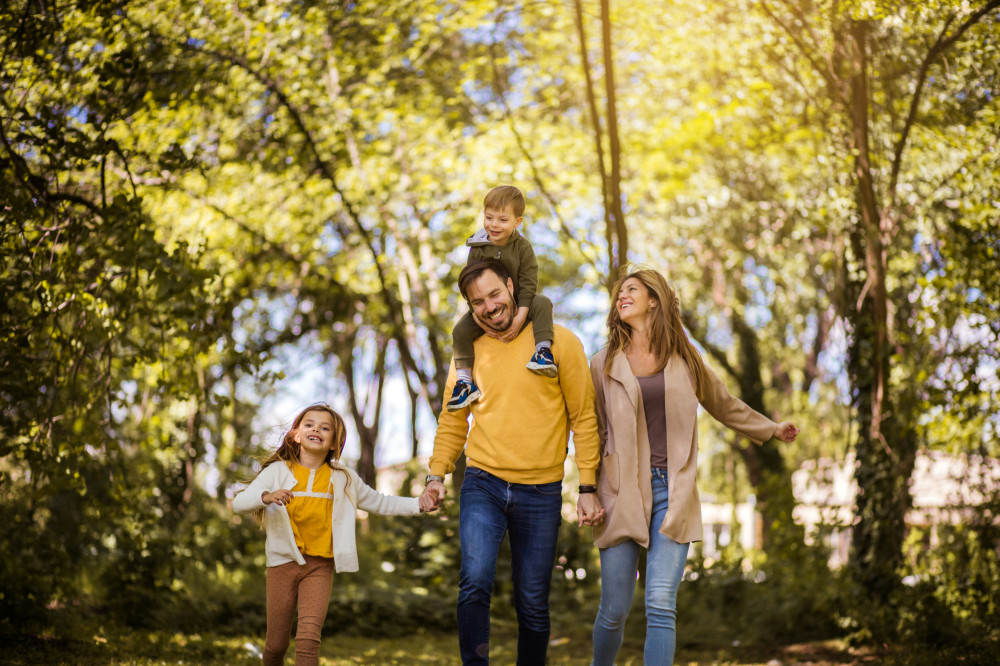
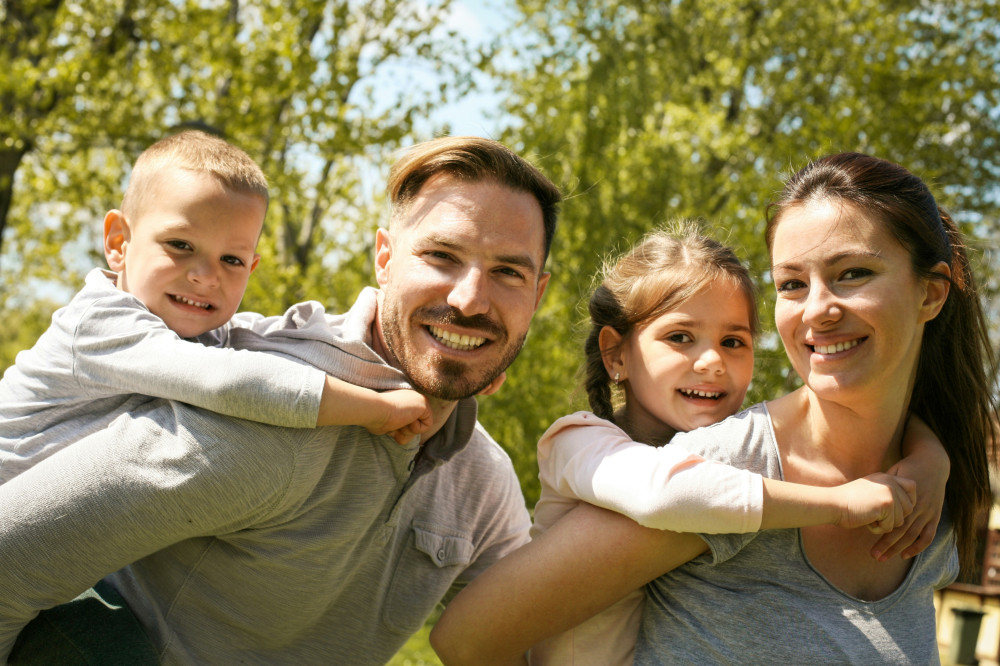
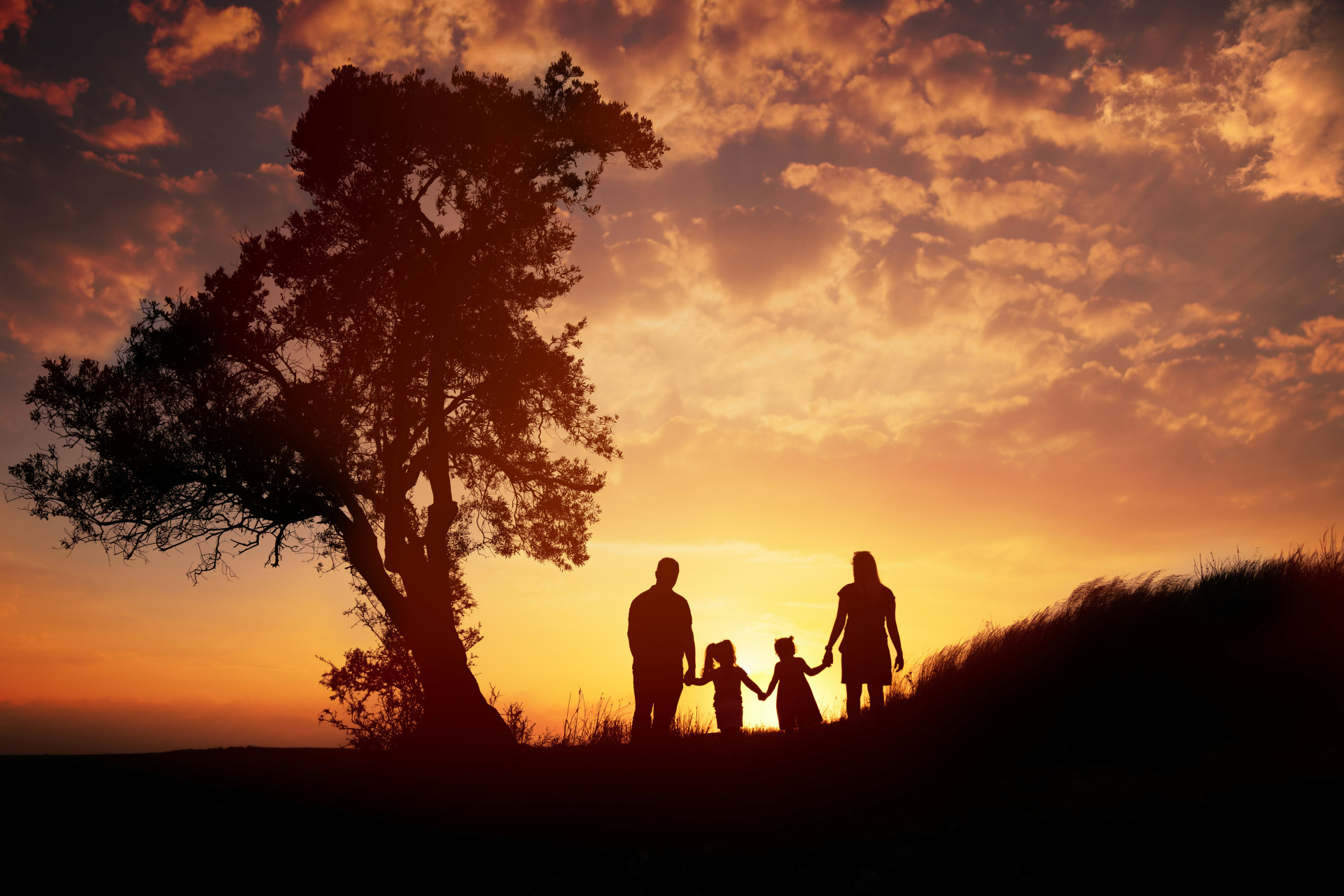
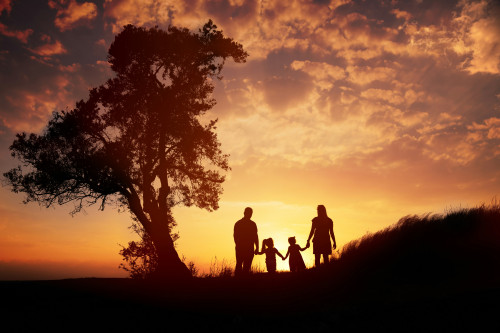
For many families, nature can become a shared sanctuary in a busy world. There are no notifications, no deadlines, and no performance pressure—just time to be together without distractions. A picnic, a bike ride, or a quiet moment by a campfire can create connection and conversation that are hard to find elsewhere.
Using nature as a free space isn’t just about getting away from something—it’s about getting closer: to ourselves, to each other, and to what truly matters.
Bringing Nature into Everyday Life
It doesn’t have to be complicated to bring more nature into your routine. Here are a few simple ways to start:
- Plan regular outdoor days – Choose one day a week to spend time outside, no matter the weather.
- Create small rituals – Drink your morning coffee on the porch, take an evening walk, or eat dinner in the backyard.
- Use nature as a gathering place – Invite friends for a hike, a picnic, or a backyard bonfire.
- Let kids lead the way – Ask where they want to go and what they want to do. Their ideas often lead to the best adventures.
The goal isn’t to go far—it’s to be present. Nature doesn’t demand much, only attention.
A Free Space for Body and Mind
Nature is not a luxury—it’s a necessity. It gives us the chance to unwind, find calm, and rediscover the joy of simplicity. For children, it’s a playground and a place to learn. For adults, it’s a space to breathe and reconnect with themselves.
When we use nature as a free space, we strengthen not only our own well-being but also our relationships—with each other and with the world we share. Under the open sky, we find something no screen or building can offer: a sense of freedom, connection, and balance.
Læs også: