Fear of Flying? Get Tips for a More Comfortable Flight

Fear of Flying? Get Tips for a More Comfortable Flight
For many people, flying means excitement and adventure—but for others, the thought of being thousands of feet in the air can trigger anxiety. Fear of flying is more common than you might think, ranging from mild unease to intense fear. The good news is that there are many ways to make your flight more comfortable and less stressful. Here are some practical tips to help you prepare mentally and physically for a smoother journey.
Understand Your Fear
The first step in managing fear of flying is understanding what triggers it. For some, it’s the lack of control; for others, it’s claustrophobia, turbulence, or fear of mechanical failure. Identifying what specifically makes you anxious can help you find the right coping strategies.
It also helps to know just how safe air travel really is. Statistically, flying is one of the safest modes of transportation in the world. Pilots undergo rigorous training, aircraft are maintained under strict safety standards, and every flight is monitored by multiple layers of safety systems.
Prepare Mentally Before You Fly
Good preparation can significantly reduce anxiety. Start a few days before your trip by creating a calm mindset around your travel plans.
- Learn about the flight process. Understanding what happens during takeoff, landing, and turbulence can make the experience feel less unpredictable.
- Practice relaxation techniques. Deep breathing, meditation, or progressive muscle relaxation can help you stay calm.
- Visualize a smooth flight. Picture yourself sitting comfortably, listening to music, and feeling relaxed.
- Avoid last-minute stress. Arrive at the airport early so you don’t start your trip feeling rushed or tense.
If your fear is severe, consider taking a fear-of-flying course. Many airlines and therapy programs in the U.S. offer workshops that combine education about aviation with anxiety management techniques.
Create Comfort During the Flight
Once you’re on board, focus on making yourself as comfortable and relaxed as possible.
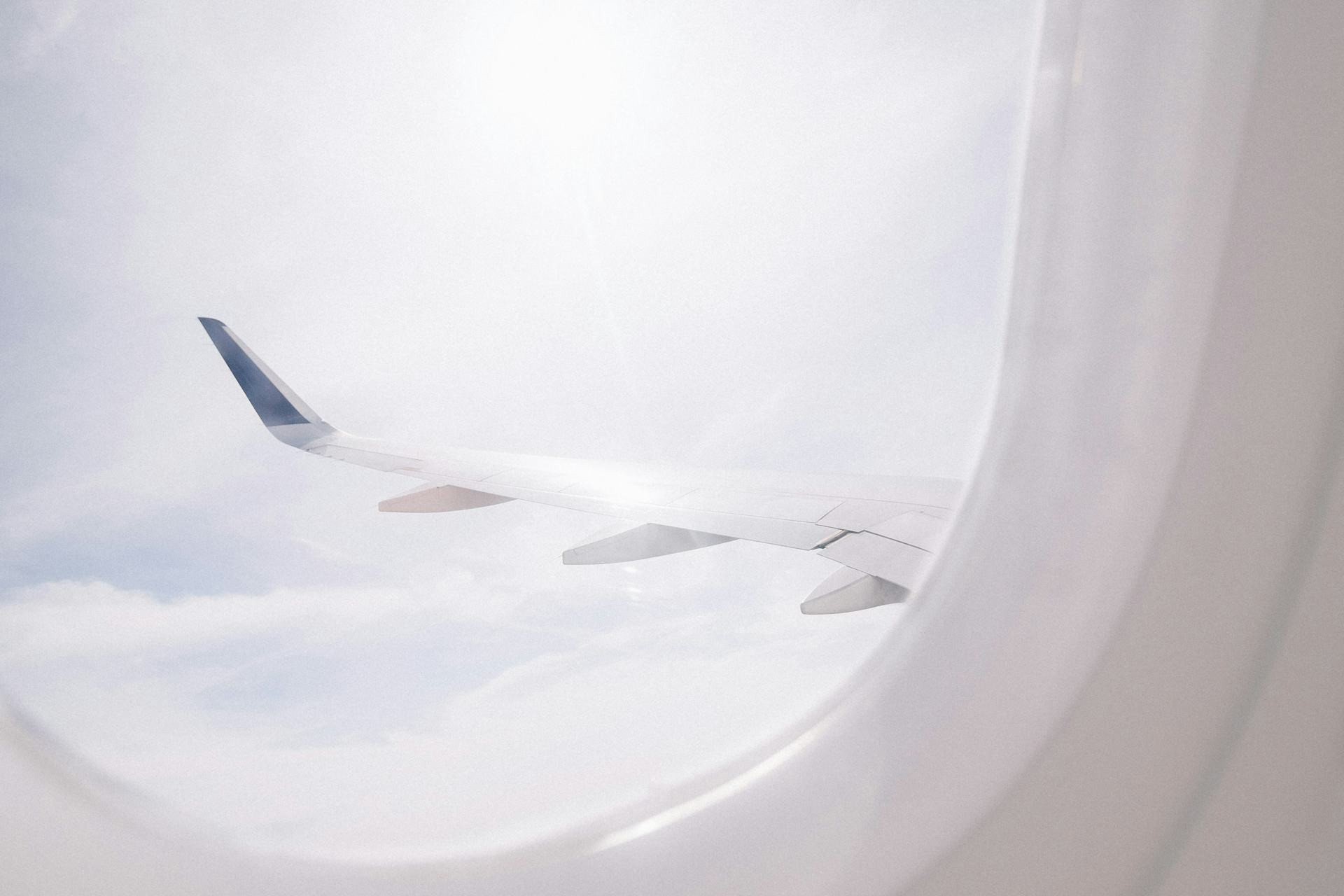
- Choose a seat that feels right for you. Some people prefer an aisle seat for easy movement, while others feel calmer by the window where they can see outside.
- Let the flight attendants know. They’re trained to assist nervous flyers and can offer reassurance or check in on you during the flight.
- Bring distractions. Load your phone or tablet with movies, podcasts, or music. Reading or doing puzzles can also help shift your focus.
- Limit caffeine and alcohol. Both can increase anxiety and make it harder to relax.
- Move around when possible. Stretch your legs, roll your shoulders, and take short walks down the aisle to keep your body comfortable.
Læs også:



Handle Turbulence and Discomfort
Turbulence is one of the most common triggers for fear of flying, but it’s rarely dangerous. Airplanes are designed to handle far more movement than passengers ever experience.
When turbulence hits, try to:
- Breathe slowly and deeply.
- Keep your seatbelt fastened and let your body move naturally with the plane.
- Remind yourself that turbulence is normal and not a sign of danger.
If you’re prone to motion sickness, bring ginger chews, motion-sickness wristbands, or light snacks to help settle your stomach.
After the Flight – Acknowledge Your Success
Once you’ve landed, take a moment to recognize your accomplishment. Every successful flight helps build confidence and reduces fear over time. You might even jot down what worked well and what you’d like to try differently next time.
Overcoming fear of flying doesn’t happen overnight, but with patience, knowledge, and the right techniques, you can gradually feel more in control—and maybe even start to enjoy the journey.
Læs også: