Blackjack and the Illusion of Control – Why the Game Still Fascinates

Blackjack and the Illusion of Control – Why the Game Still Fascinates
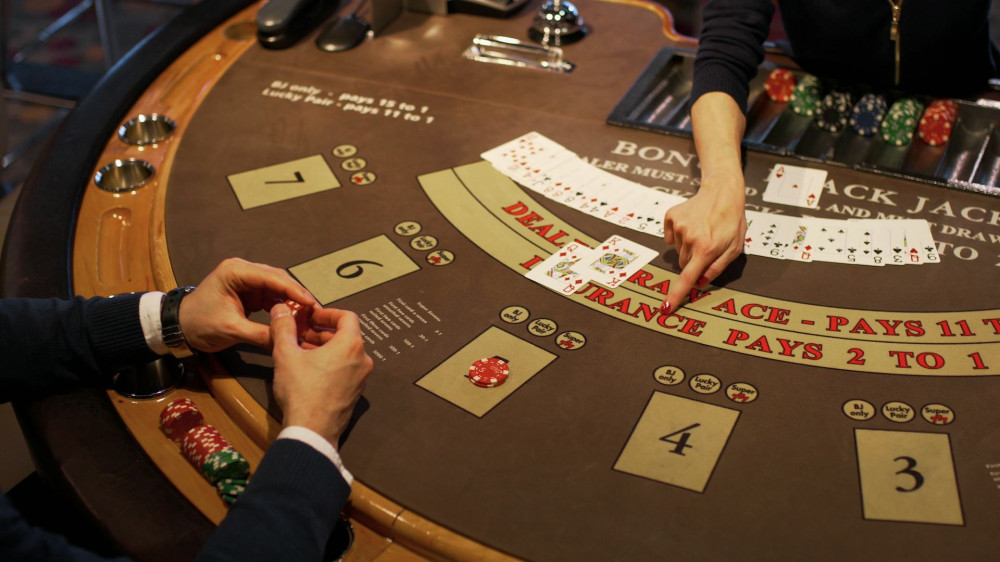
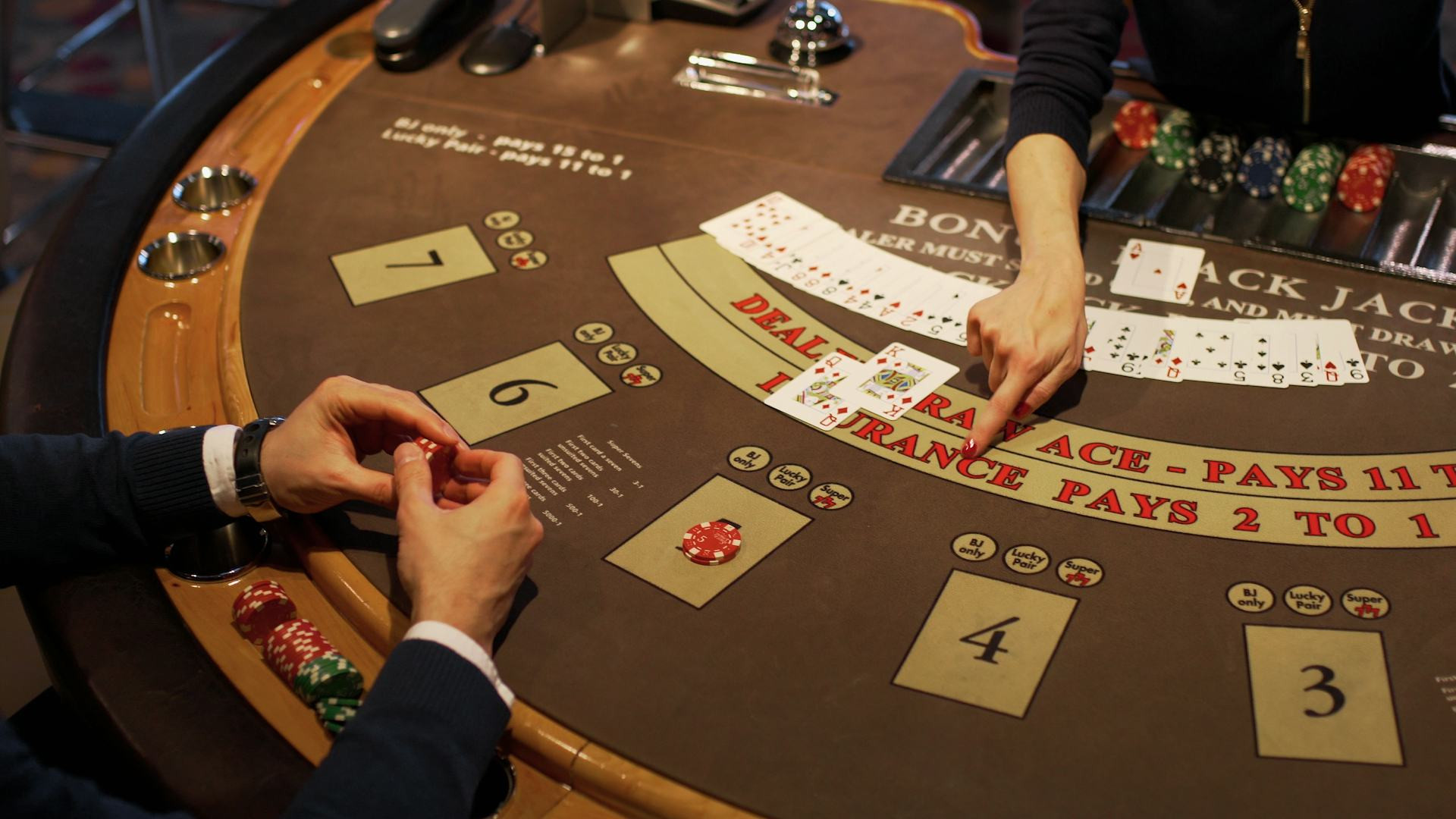
Blackjack is one of the most recognizable card games in the world. From the neon-lit casinos of Las Vegas to online platforms accessible from any smartphone, the game continues to captivate players. Part of its enduring appeal lies in the sense that skill and strategy can influence the outcome. But how much control do players really have? And why does this illusion keep us coming back to the table?
A Game of Simplicity and Depth
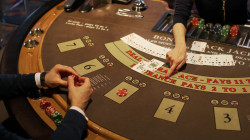
At first glance, blackjack seems straightforward: get as close to 21 as possible without going over. Yet beneath that simplicity lies a rich layer of strategy that has intrigued mathematicians, gamblers, and casual players alike. Unlike roulette or slot machines, blackjack allows players to make decisions—hit, stand, double down, or split—that can affect the odds of winning.
This blend of chance and choice gives the game its unique tension. It feels like a contest of skill, where knowledge and discipline can make a difference. That feeling of agency is what fuels the illusion of control.
The Illusion of Control
Psychologists have long studied why people believe they can influence random outcomes. The “illusion of control” describes our tendency to overestimate our ability to affect events governed largely by chance. In blackjack, this illusion is especially powerful because player decisions do matter—but only within narrow limits.
Even the most skilled player cannot predict the next card. Yet because the game rewards statistically sound decisions, it feels as though mastery is within reach. That delicate balance between control and uncertainty keeps players engaged, creating a psychological thrill that few other casino games can match.
Læs også:

Strategy, Probability, and the Dream of Beating the House
For decades, blackjack has attracted those who believe they can outsmart the system. The most famous example is card counting—a method of tracking which cards have been played to estimate when the odds favor the player. Popularized by books and Hollywood films, card counting became a symbol of intellect triumphing over luck.
In reality, casinos have adapted. Multi-deck shoes, automatic shufflers, and vigilant pit bosses make card counting nearly impossible in most modern settings. Still, the myth of the clever player who can beat the house persists. It speaks to a deeper human desire: the hope that intelligence and discipline can overcome randomness.
The Social and Cultural Dimension
Blackjack is more than a numbers game—it’s a social experience. Around the table, strangers share moments of tension, celebration, and disappointment. The dealer’s rhythm, the collective gasp when someone busts, the camaraderie when the dealer goes over 21—all of it creates a sense of shared drama.
In American culture, blackjack has become a cinematic shorthand for risk and control. From the smoky casinos of mid-century Vegas to the sleek online live-dealer games of today, it embodies both glamour and grit. It’s a game where anyone can sit down, make a few decisions, and feel—if only briefly—in command of their fate.
Why the Fascination Endures
In an age dominated by algorithms and automation, blackjack offers something rare: the illusion of personal agency. For a few hands, players can believe that their choices matter, that they can read the cards, that they can bend chance to their will. Even when reason tells us the house always wins in the long run, the momentary sense of control is irresistible.
Ultimately, blackjack mirrors our relationship with uncertainty itself. We know we can’t control everything—but we try anyway. And perhaps that mix of hope, strategy, and chance is what keeps the game timeless, reminding us that the thrill of control, real or imagined, is one of the most human feelings of all.
Læs også: